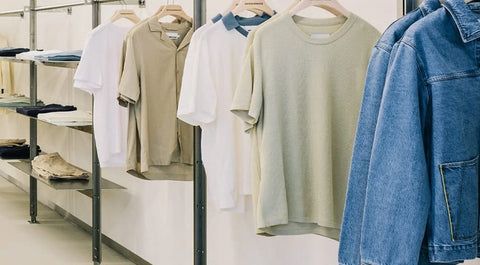
A T-shirt that fades after ten washes. A jacket whose seams come undone after one season. A wallet that looks twenty years old after two years. We all know it—and we all eventually stopped accepting it as normal. The question of how long clothes should really last isn't a moral one. It's a practical one: What do you get for your money, and when is an investment worthwhile?
What "Durability" really means for clothing
Durability isn't just a matter of material. It arises from the interplay of three factors: the quality of the fiber, the craftsmanship—that is, how carefully it is sewn, dyed, and manufactured—and the care you give the item. A poorly made linen piece from a high-quality fiber will last just as little as a well-sewn piece from inferior cotton that you wash at 60 degrees.
This also means: Durability is not a passive promise from the manufacturer. It's half your responsibility.
Benchmarks by Category—What's Realistic
There are no official standards for how long clothes should last. But there are realistic expectations based on material and craftsmanship:

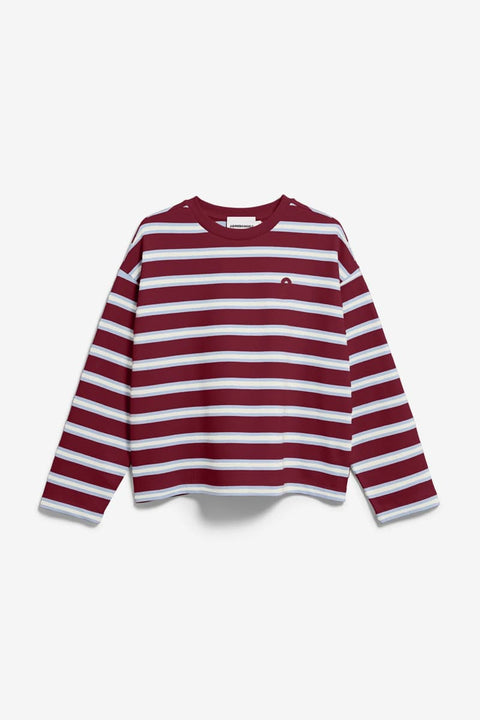
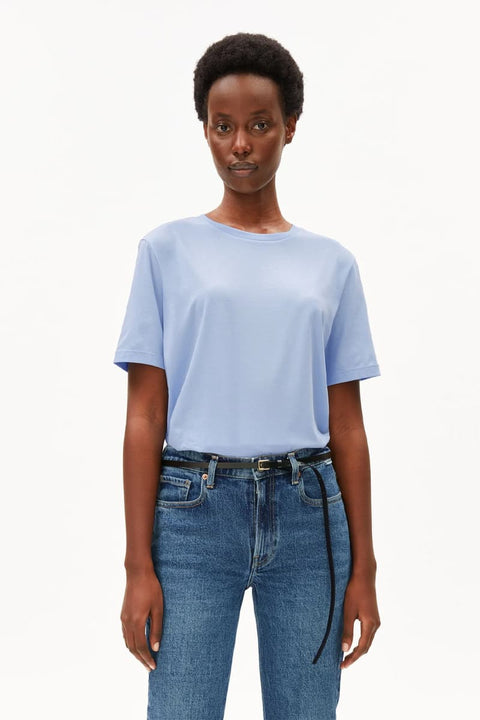
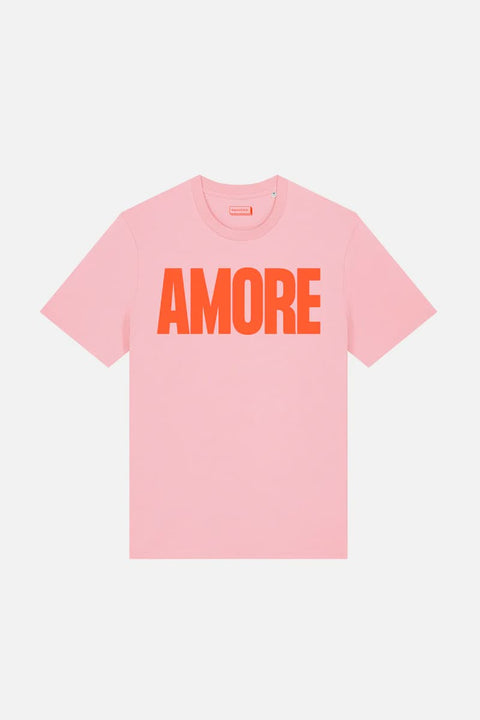
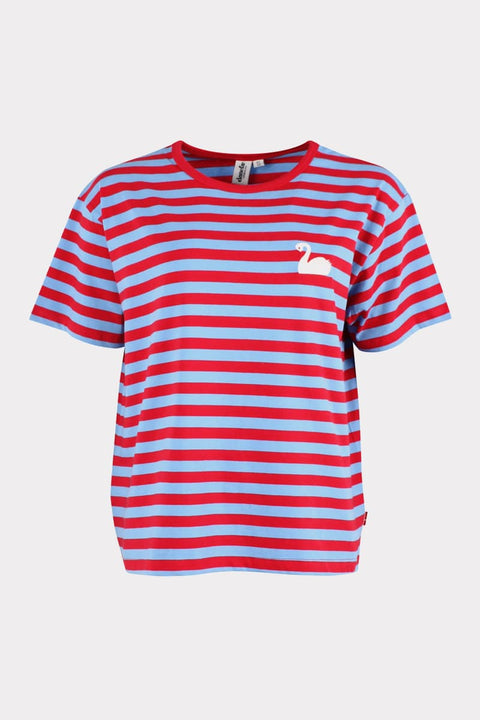
T-Shirts and Basics (Organic Cotton) A well-made T-shirt from 100% GOTS-certified organic cotton—like ARMEDANGELS' Idaara line (from €29) or Dedicated's Stockholm T-shirts—should last five to eight years with proper care, without significantly losing shape or color. Organic cotton without chemical finishing retains its structure longer than conventionally treated cotton, which becomes brittle over time.
Sweaters and Knitwear (Wool, Merino, Alpaca) Here, the potential is greatest—and the care requirements are highest. A merino wool sweater that never goes in the dryer and is only washed when necessary will last ten to fifteen years. Les Racines du Ciel's Iroise Cable Sweater made from 55% mohair and 45% merino wool (€199) or Suite13Lab's Babol Alpaca Jumper made from 49% baby alpaca (from €110) are not seasonal investments—these are pieces for a decade. Provided you treat them accordingly.
Pants (Organic Cotton, Corduroy, Linen) Four to seven years is realistic for well-made women's trousers from natural fibers. The Barrel Leg Twill Pant from ARMEDANGELS made from 98% organic cotton (€119) or Dedicated's corduroy pants are designed for everyday wear—not trendy pieces that look outdated after one season.
Leather Goods (Bags, Wallets) Leather is the most durable category in the entire range—if it's real leather and properly cared for. A leather bag from puc (from €169) or a wallet made from grease leather by Papoutsi (from €79) will last twenty years or more with regular care. This is not an exaggeration: leather becomes more characterful over time, not worse. The patina is not a flaw; it's proof of lived quality. You can find more on this in our guide to leather care.

Jackets and Coats Ten years is not an unrealistic goal for high-quality craftsmanship. A wool jacket from Les Racines du Ciel made from baby alpaca (from €120) or a coat made from recycled material by Dedicated are investments that pay off over many seasons—provided the cut and color are classic enough not to look old-fashioned in two years.
Why Price and Durability are Related—But Not Always
A higher price is not a guarantee of durability. It's an indicator. What really matters are verifiable signals:
Certificates as a quality indicator: GOTS-certified products guarantee not only ecological production but also low-chemical dyeing—a direct factor for colorfastness and fiber quality. 116 products in our range carry this seal. The Global Recycled Standard (GRS, 244 products) says nothing about durability, but about material integrity. The Leather Working Group certificate (LWG, 16 products from Papoutsi) is the most reliable quality standard for leather processing. We explain more about the individual seals in our guide to sustainability certifications.
See the craftsmanship before you buy: Double seams at stress points, reinforced eyelets, cleanly finished inner seams—these are the signs that determine durability, not the logo on the label.
Natural fibers vs. Synthetics: Pure natural fibers—organic cotton, wool, linen, leather—generally age more gracefully than synthetics. They are also easier to repair: a torn wool thread can be sewn, a hole in polyester hardly at all.
The Honest Calculation: Cost Per Wear
The most useful comparison value for clothing is not the purchase price, but the price per wear. A T-shirt for €12 that falls apart after thirty washes has a price per wear of €0.40. A T-shirt for €34 made from GOTS organic cotton, which could be worn daily for five years, comes to a fraction of that.
This calculation applies particularly to everyday items that you wear often: basics, trousers, bags. For occasional items—a dress for special occasions—the calculation changes because the frequency of wear is lower.
What you can do to make clothes last longer
Durability is active. The most important levers on your side:
Wash less—most clothes are washed more often than necessary. Airing instead of washing significantly extends their lifespan. Low temperatures—30 °C instead of 60 °C protects fibers and colors. No dryer for natural fibers—wool, linen, and cotton shrink and become brittle under heat. Store properly—folded knitwear on shelves instead of hangers, so the shoulders don't get stretched out.
Our existing care guides go into detail for each material: for wool clothing, for organic cotton, and for jeans.
FAQ
How long should a good T-shirt last? With high-quality craftsmanship and proper care—maximum 40 °C, no dryer, not washing too often—five to eight years is realistic. A T-shirt made from GOTS-certified organic cotton lasts significantly longer than one made from conventionally treated cotton because the fibers are processed without aggressive chemicals.
How do I recognize if clothing is truly high-quality? The most reliable signs: double seams at stress points (armpits, pockets, cuffs), even stitch density, cleanly finished inner seams, and a stable label. Quality certificates like GOTS or the Leather Working Group seal for leather goods are additional indicators—they don't directly speak to durability, but they show that the manufacturer produces carefully.
Is it worth having clothes repaired? Almost always—at least for high-quality items. A tailor or shoemaker can fix seams, zippers, soles, and many damages to leather goods that would otherwise render an item unusable. The rule of thumb: If the repair price is less than 30% of the new purchase price and the item is well-maintained, repair is almost always worthwhile.
Why does cheap clothing lose its color so quickly? Cheaply produced clothing is often dyed with reactive dyes that are applied without sufficient fixation—this saves time and costs in production. GOTS-certified products stipulate that only approved dyes be used and that the fixation process be fully carried out. The result is significantly better colorfastness, even after many washes.
Are there clothes that practically last forever? Leather comes closest. A well-maintained leather wallet or a leather bag made from vegetable-tanned full-grain leather can last twenty to thirty years—and becomes more beautiful with time. High-quality wool items made from merino wool or alpaca also have an exceptionally long lifespan with proper care.