"Sustainable" appears on many pieces of jewelry - but the word is not legally protected. Any brand can use it without having to prove it. This makes buying sustainable jewelry harder than it sounds: It's not the label that counts, but what's behind it. This buying guide shows you what really matters - in terms of materials, manufacturing, and the brands you can trust.
Why "sustainable" is not a clear statement for jewelry
For textiles, there are GOTS, Fairtrade, OCS - independent certifications with audits. For jewelry, the situation is more confusing. There are seals like Fairmined (for ethically mined gold from artisanal small-scale mining) and the Responsible Jewellery Council (RJC) (industry standard for the entire supply chain), but none of them are as widespread as GOTS in the textile industry. Most small jewelry brands that truly work sustainably simply don't have the resources for such a certification - which doesn't mean their work is less careful.
What you can check instead: Where does the metal come from? Is it produced in-house or outsourced? Are there details about the alloy? Brands that answer these questions openly and specifically are more credible than those that only promote themselves with the term "sustainable."
Materials: what's behind the terms
The most common misconception when buying jewelry concerns gold-plated pieces. Not everything that looks gold is the same - and the difference is significant:
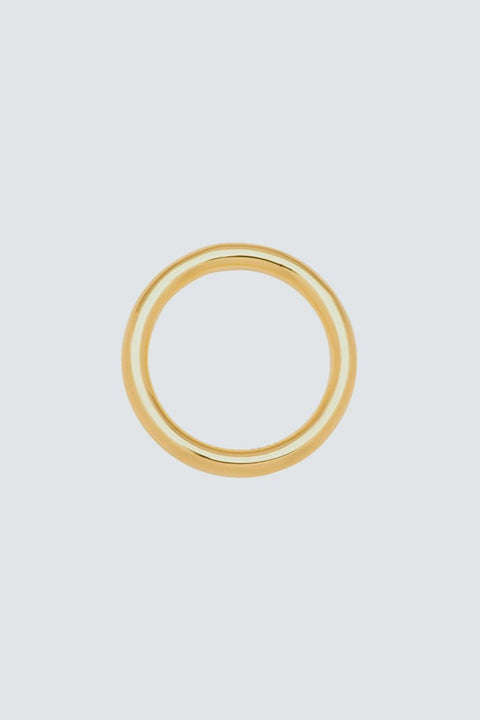
Gold-plated means a wafer-thin layer of gold (often under 0.5 microns) on a base metal. The layer wears off over time - sometimes after a few months. Gold Filled has a significantly thicker gold layer (at least 5% of the total weight), lasts correspondingly longer, and is safer for the skin. Vermeil is gold-plated sterling silver - the gold layer must be at least 2.5 microns thick. This is the best option if you want gold-plated jewelry that actually lasts.
For silver, Sterling Silver 925 is the standard you can trust. The number means: 92.5% pure silver, the rest is an alloy - usually copper - which makes the metal dimensionally stable. Pure silver (999) would be too soft for jewelry. A piece of Sterling Silver 925 lasts decades if cared for - and is one of the most honest material specifications you'll get when buying jewelry.
Manufacturing: Atelier or Mass Production
Where and how a piece is made is often more crucial than the material alone. Jewelry from an in-house atelier - handcrafted or produced in small batches - is generally more carefully processed because each piece passes through fewer hands and flaws are immediately visible. Mass production doesn't automatically mean poor quality, but it makes transparency about the supply chain more difficult.
When buying, ask yourself: Does the brand state where it's produced? Are the artisans named, or at least regionally identified? A specific production location is a good sign - vague phrases like "handcrafted with love" without further details are not.
Brands we trust
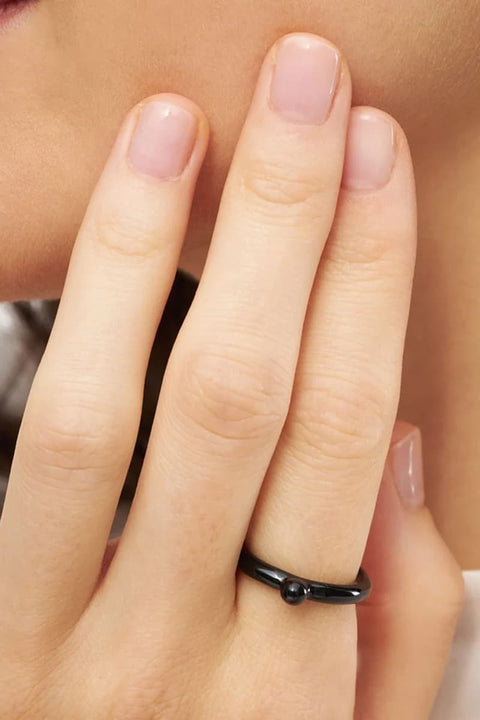
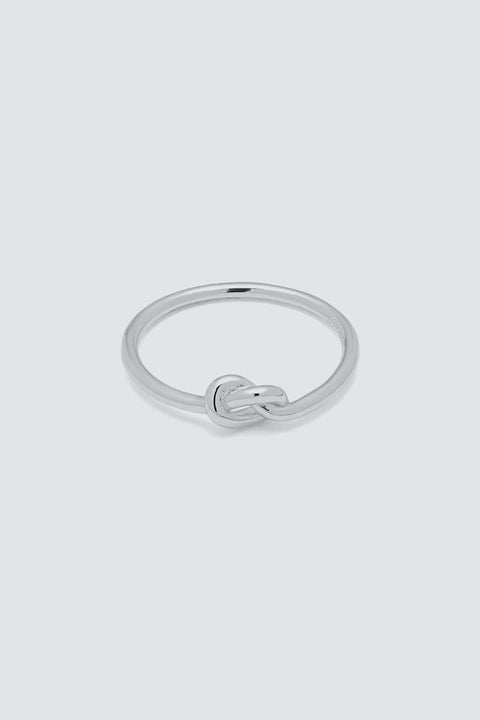
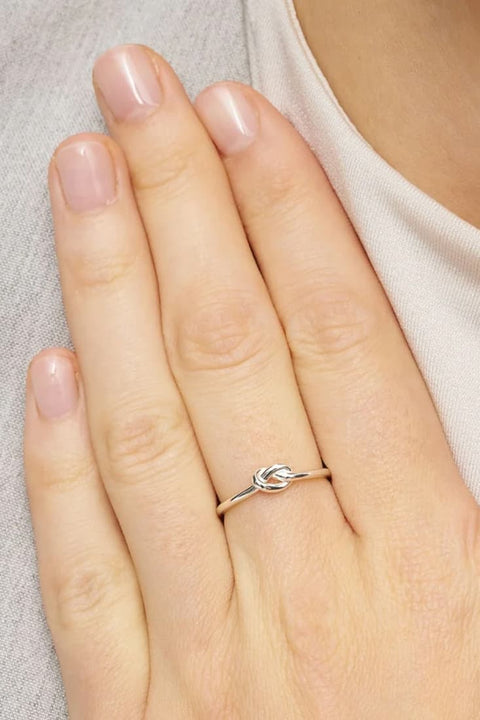
Scherning is from Denmark and works exclusively with Sterling Silver 925. The design is consistently minimalist - no trends, no seasons, pieces you'll still wear in ten years. The collection is small and well-thought-out: rings, necklaces, and earrings that can be combined without relying on each other. You can find the current pieces in our jewelry collection for women.

Titlee is a French jewelry brand with production in its own atelier. The pieces are delicate and structured - not a maximalist statement, but jewelry that works because it's well-made. Titlee provides specific material information and produces in manageable quantities, which facilitates quality control.
SAN SAN and Blush Indigo Jewellery complement the spectrum: SAN SAN with its own distinctive design character, Blush Indigo with jewelry that highlights semiprecious stones - stones with provenance, not as decorative filler.
What to look for specifically when buying - in short
Check material specifications: Sterling Silver 925, Gold Filled, or Vermeil instead of just "gold-plated." Look for the production location: a specific location is better than no information. Look at the collection and assortment: brands that produce continuously instead of seasonally changing stand behind their pieces. And: jewelry that is cared for lasts - our jewelry care tips show you how this actually works.
Frequently Asked Questions about Sustainable Jewelry
What makes jewelry sustainable?
Sustainable is not a protected term for jewelry. In practice, it means: transparent material specifications (e.g., Sterling Silver 925, Gold Filled), traceable production (own atelier or named manufacturer), and pieces designed for longevity - not for seasonal changes. Certifications like Fairmined or RJC are a plus, but rare for small brands.
Which metals are most sustainable for jewelry?
Sterling Silver 925 is the most reliable choice: durable, well-documented, repairable. Recycled gold is ecologically better than newly mined, but difficult to verify without certification. Vermeil (gold-plated sterling silver) is a good alternative to solid gold - the gold layer lasts longer than simple plating and the base metal is transparent.
How can I recognize fair jewelry production?
Specific information about the production location, atelier production, or named artisans are good signs. Fairmined certification guarantees ethical gold mining from artisanal small-scale mining. RJC membership shows that the entire supply chain is audited. Vague terms like "handmade" or "artisan" without further details say little.
Is Sterling Silver sustainable?
Sterling Silver 925 is one of the most sustainable options for jewelry. The alloy (92.5% silver, 7.5% mostly copper) makes the material dimensionally stable and durable. Silver is fully recyclable. A well-cared-for piece of Sterling Silver lasts decades - which is more sustainable than cheaper jewelry you replace every few years.
What is the difference between gold-plated, Vermeil, and Gold Filled?
Gold-plated: wafer-thin gold layer, wears off quickly. Vermeil: gold-plated sterling silver with at least 2.5 microns of gold layer - lasts longer, skin-friendly. Gold Filled: at least 5% of the total weight in gold, significantly more durable than regular plating. For jewelry that lasts, Vermeil or Gold Filled is the better choice.
Jewelry is one of the most personal purchasing decisions - and one of the most durable, if you know what to look for. You can find our selection in the jewelry collection for women - and for those looking for a specific styling introduction: Everyday jewelry: timeless companions shows you how the pieces can be worn.