
Sustainable and fair fashion is on everyone’s lips these days – but is it really a new trend? In fact, sustainable fashion has existed much longer than you might think! Before fast fashion dominated our wardrobes, it was completely normal to repair clothes, pass them on, or produce them from natural materials. In this article, we take a look at the development of sustainable fashion, the first fair fashion pioneers, and modern brands that prove style and sustainability go hand in hand.
Fashion used to be sustainable by default
Long before clothing became a mass product, it was valuable and made to last.
Natural materials & handmade fashion
In the past, textiles were made from natural materials such as linen, wool, hemp, or cotton – without synthetic fibres or harmful chemicals. Dyes also came from nature: indigo for blue, madder root for red, walnut shells for brown.

Repairing, passing on, upcycling
At a time when clothing was still expensive, garments were patched, altered, and even passed down to the next generation. Back then, this was simply normal – today we call it “upcycling” or “circular fashion”.
The industrial revolution: sustainability is forgotten
With industrialisation in the 18th and 19th centuries, clothing suddenly became more affordable. But it came at a price.
Mass production changes everything
Gradually, fabrics were no longer woven locally but produced in factories under poor working conditions. Chemical dyes and synthetic materials took over the market. Sustainability? Unfortunately no longer a major concern.
Early voices for environmental awareness
As early as the late 19th century, critics began to notice the negative effects of industry. Movements such as Arts & Crafts advocated a return to handcrafted, high-quality products.
The return of sustainable fashion in the 20th century
Sustainability only became a topic again in the 20th century – mainly through environmental movements and social change.
The 60s and 70s: flower power & natural textiles
The hippie movement not only brought tie-dye shirts and flared trousers, but also a growing awareness of natural textiles. Linen, cotton, and hemp became popular again, and second-hand shops sprang up everywhere.
The first sustainable fashion brands emerge
In the 80s and 90s, brands such as Patagonia and Esprit began developing sustainable collections. Fair fashion was still a niche market – but the first step had been taken.
Fair fashion today: sustainability meets style
Fortunately, there are now more and more brands proving that sustainable fashion doesn’t have to be boring.
These labels focus on sustainability
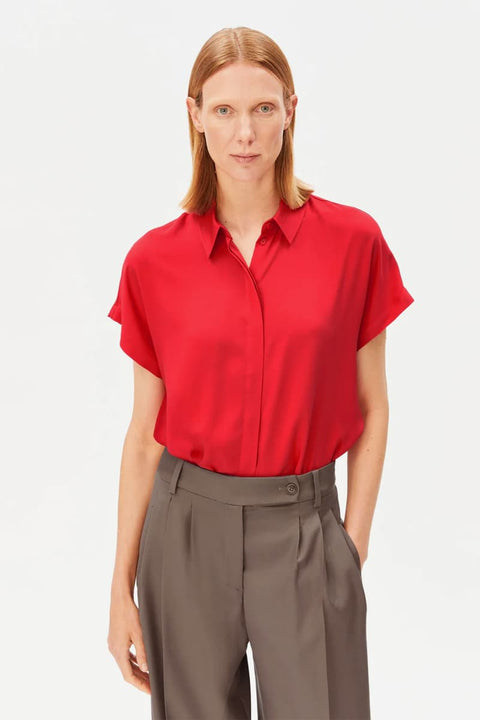
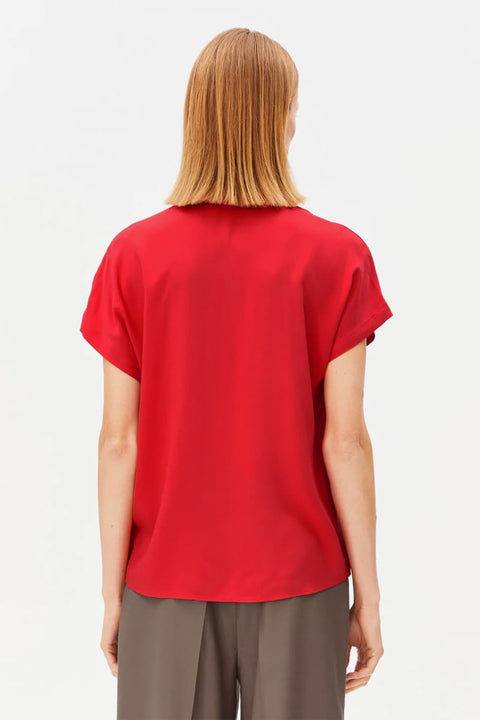
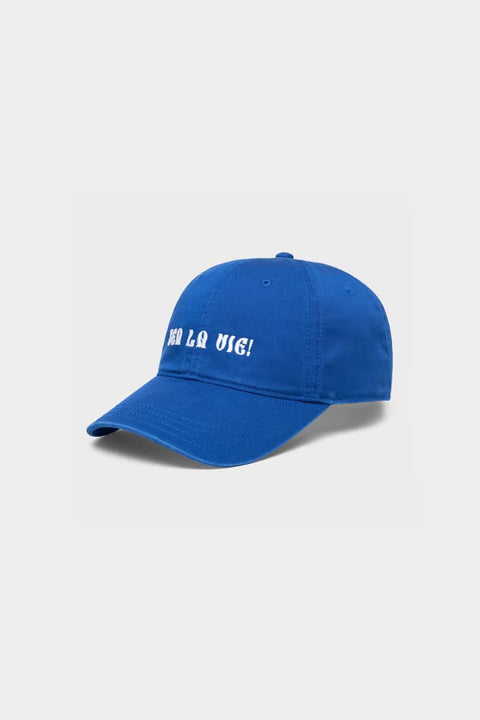
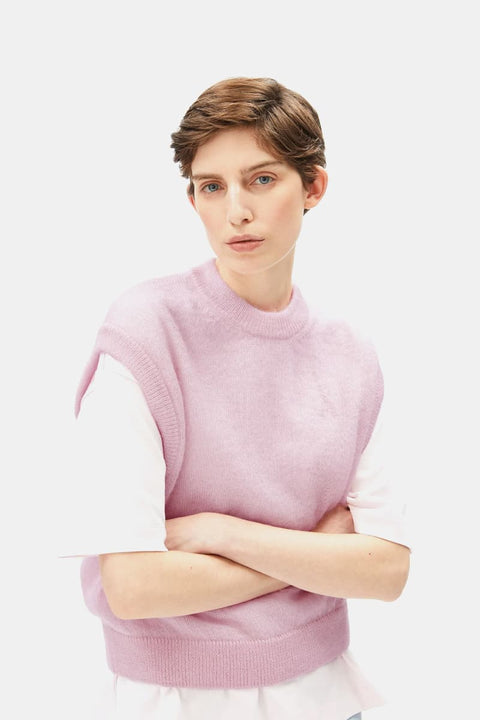
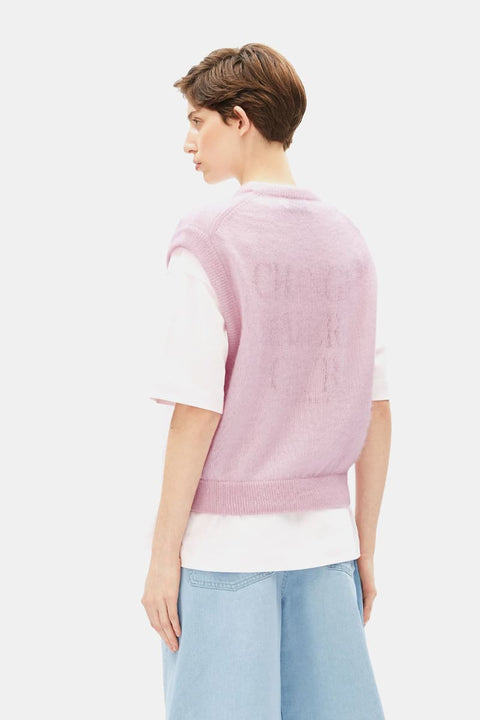
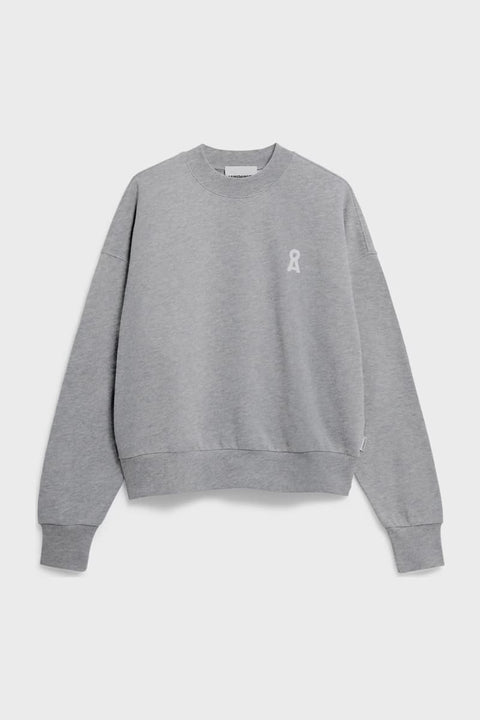
Today, many brands combine sustainable materials, fair working conditions, and timeless design. Some of our favourites include:
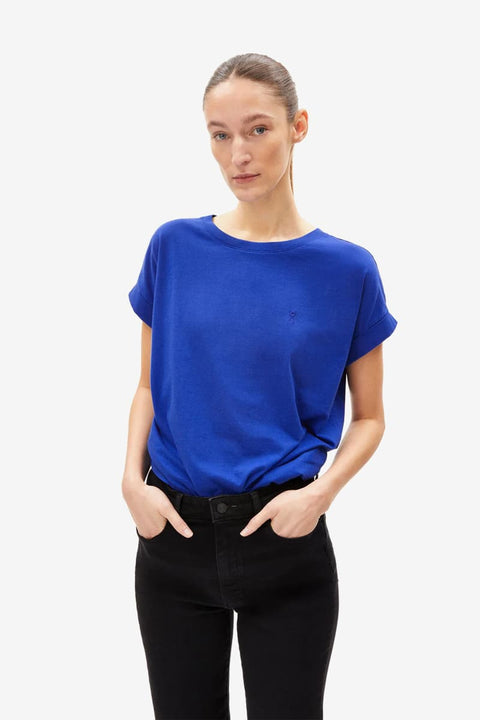
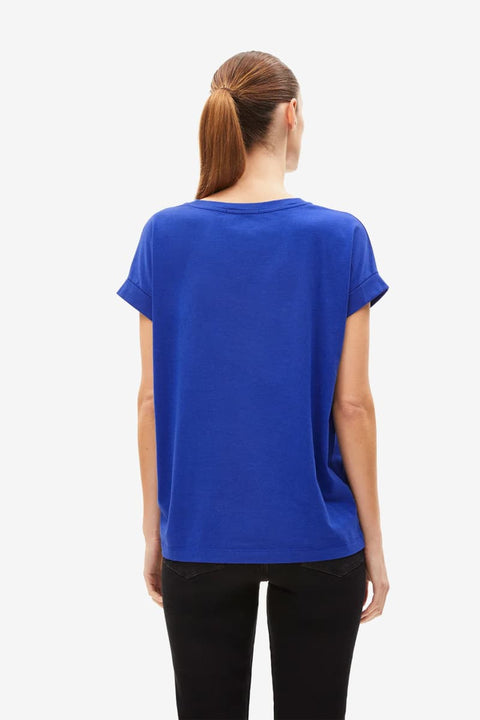
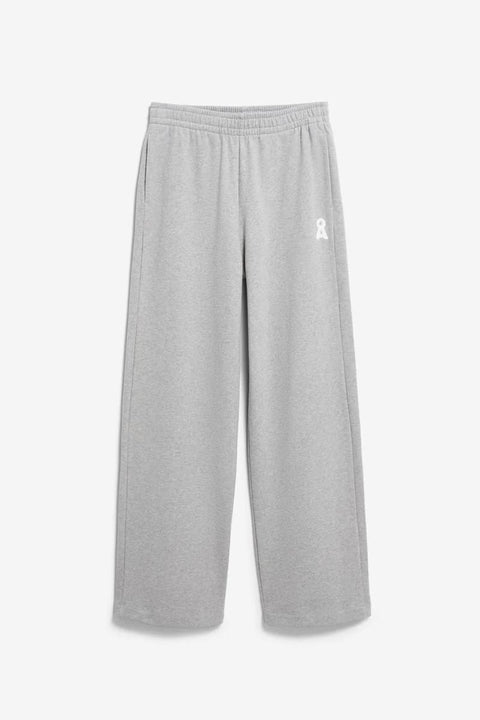
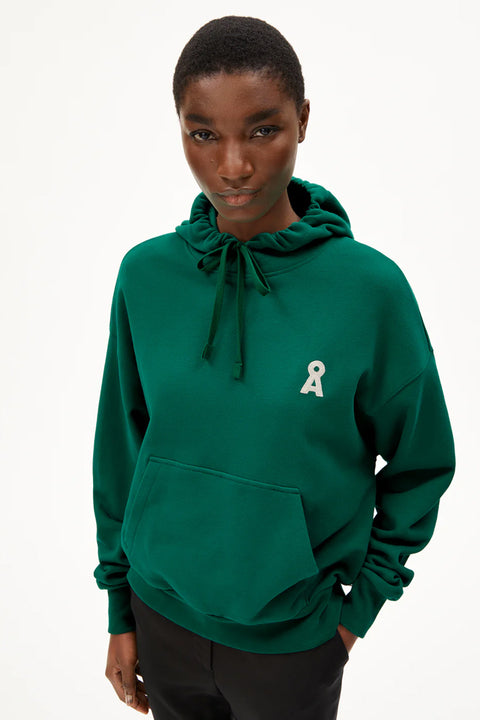
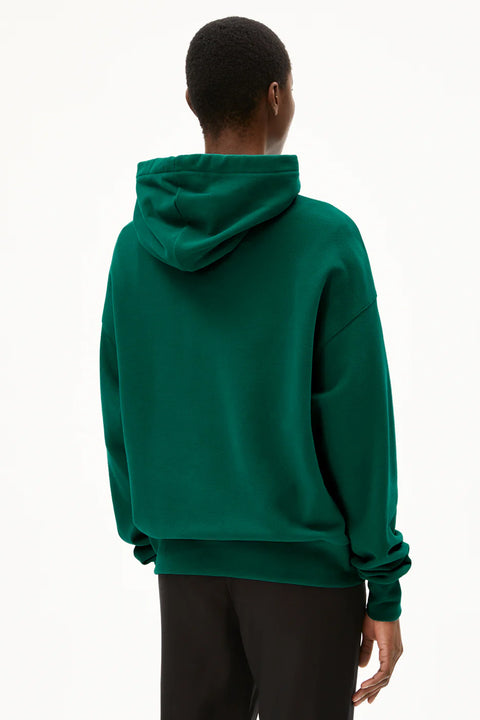
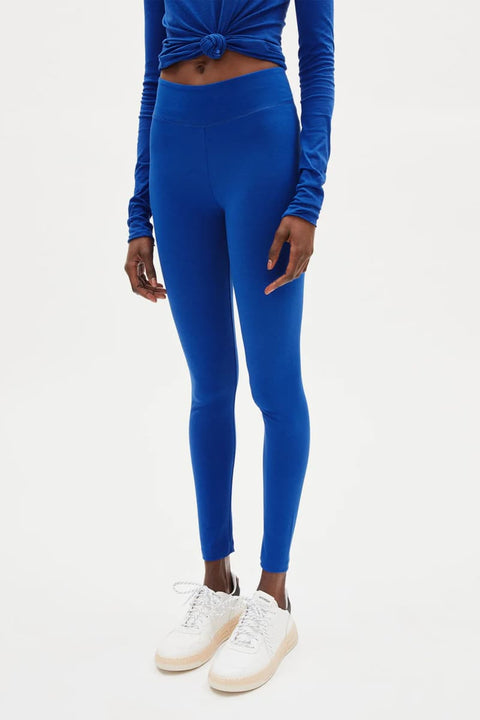
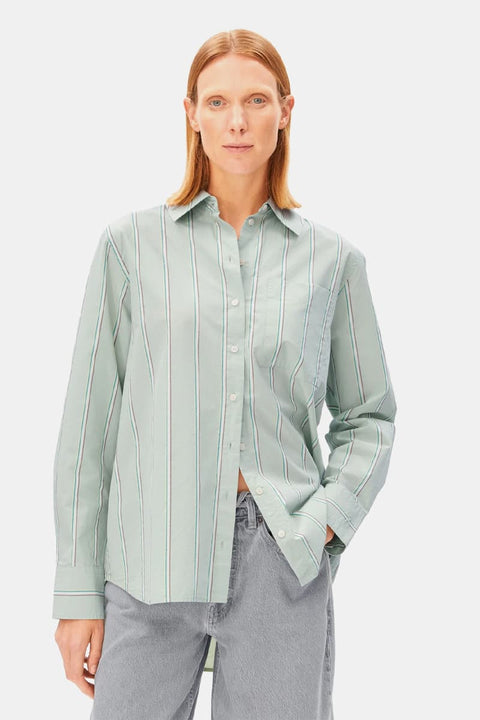
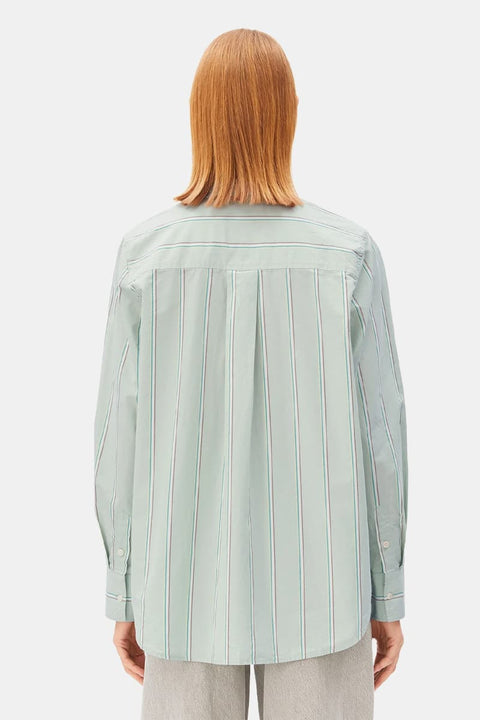
- ARMEDANGELS – Stands for fair production, organic materials, and modern, timeless styles.
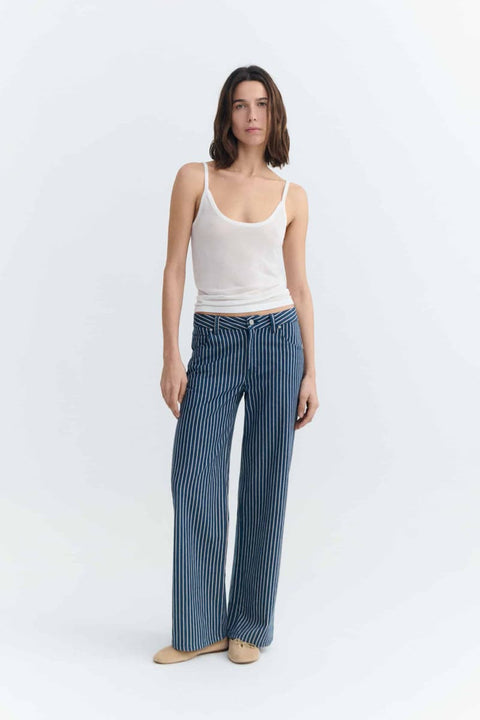
- Thinking Mu – Offers colourful, creative fashion made from sustainable fabrics such as hemp or organic cotton.
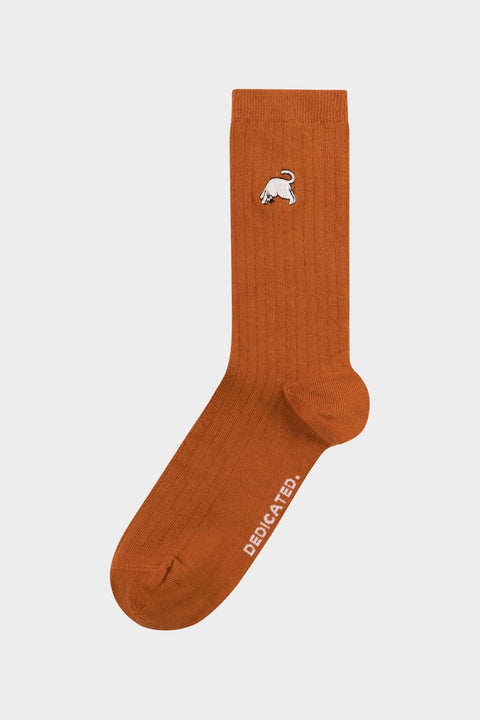
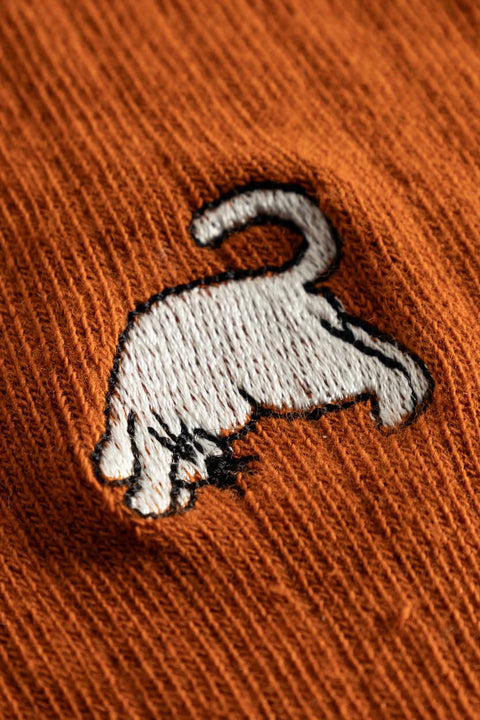
- DEDICATED – Focuses on cool prints, fair production, and climate-friendly materials.
- Susan Bijl – Stylish bags made from recycled materials.
Fair fashion is more than just organic cotton
It’s not just about materials, but also about fair wages, environmentally friendly production, and transparency. Truly sustainable labels can often be recognised by certifications.
Important certifications for sustainable fashion
Not everything that looks “green” is actually sustainable. Here are some certifications to look out for:
- GOTS (Global Organic Textile Standard) – Organic fibres and fair conditions.
- Fair Wear Foundation – Fair working conditions in the fashion industry.
- PETA-Approved Vegan – Fashion without animal-derived components.
- OEKO-TEX Standard 100 – Free from harmful chemicals.
Many sustainable brands, including ARMEDANGELS and Thinking Mu, carry one or more of these certifications.

FAQ: Frequently asked questions about sustainable fashion
Why is sustainable fashion important?
Fast fashion puts enormous strain on the environment: pesticides in cotton farming, chemicals in dyeing processes, and massive amounts of textile waste. Sustainable fashion focuses on quality over quantity.
Which sustainable materials are available?
In addition to organic cotton, there are materials such as hemp, Tencel (made from wood fibres), recycled polyester, and innovative materials like Piñatex (pineapple leather).
Is sustainable fashion more expensive?
Yes, fair fashion often costs a bit more – but in return you get high-quality clothing that lasts longer and is produced under fair conditions. Better one good piece than five cheap ones!
How long has sustainable fashion existed?
Sustainable fashion has existed for centuries. Before industrialisation, it was common to make clothing from natural materials, repair it, and pass it on – without mass production.
What is circular fashion?
Circular fashion describes a system in which clothing is not simply discarded, but recycled, upcycled, or passed on to conserve resources and reduce waste.
Which brands stand for fair and sustainable fashion?
Some of the best-known brands include ARMEDANGELS, Thinking Mu, DEDICATED, and Susan Bijl – all committed to fair working conditions, sustainable materials, and timeless design.
How can I recognise truly sustainable fashion?
Recognised certifications such as GOTS, Fair Wear Foundation, OEKO-TEX, or PETA-Approved Vegan are good indicators of high ecological and social standards.
Sustainable fashion is the future
From its beginnings in pre-industrial times to today’s fair fashion movement, sustainable fashion has a fascinating history. Today, the choice is yours: fast fashion or sustainable labels like ARMEDANGELS or Thinking Mu? Choosing fair fashion doesn’t just improve your wardrobe – it makes the world a little more sustainable too. 🌿