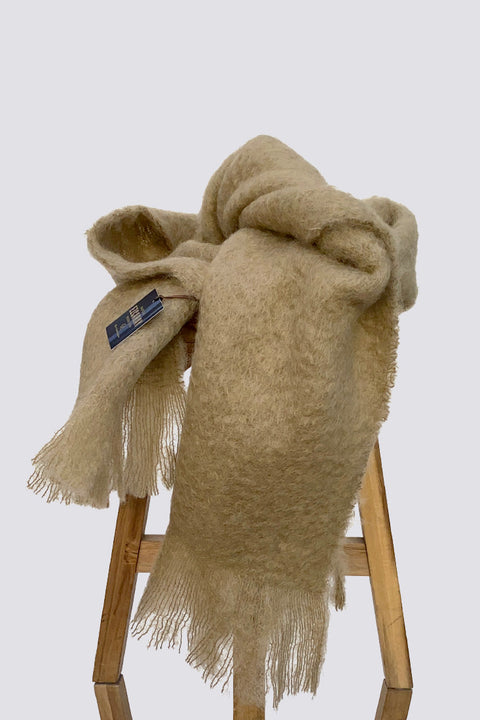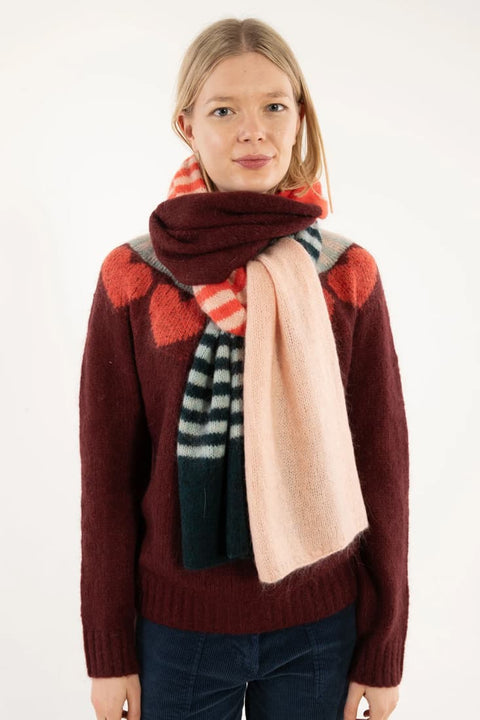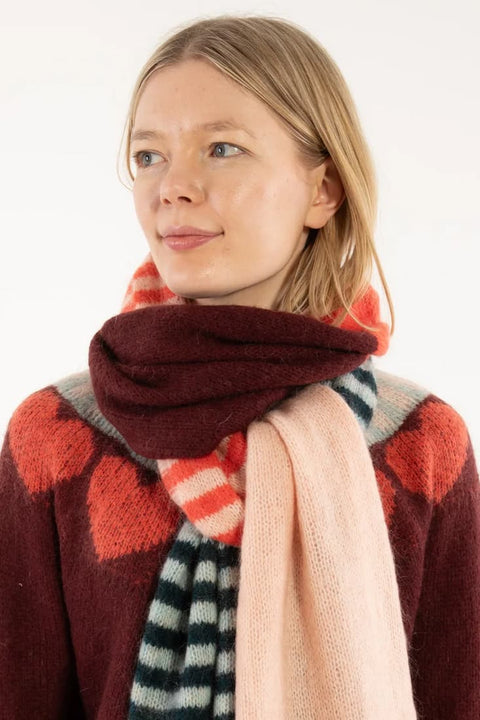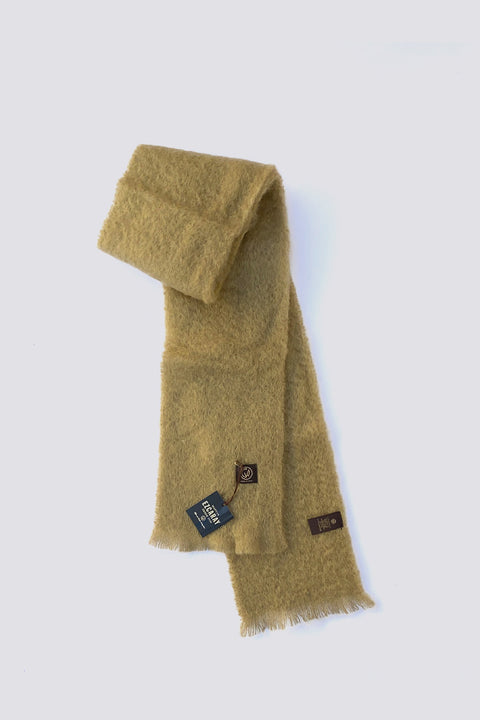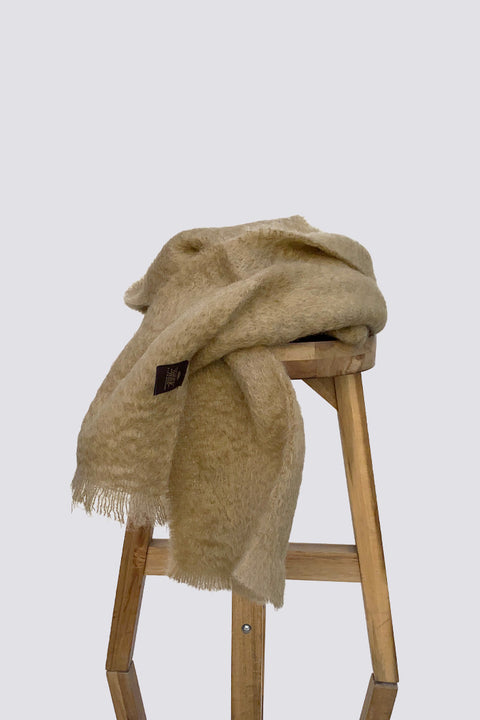

Both fibers are often mentioned in the same breath: soft, warm, high-quality. Both are true. But those choosing between an alpaca sweater and a merino piece are making a decision about weight, allergen-free properties, moisture behavior, and care requirements – not just appearance.
Alpaca wool and merino wool come from different animals, function differently on the skin, and have different strengths. Here are the key differences.
Alpaca wool – lighter than wool, without Lanolin
The fiber comes from alpacas that live in the high Andes of South America at altitudes of over 3,000 meters. The climate there is extreme: cold at night, dry during the day. The fiber that the animal develops under these conditions is lighter than sheep's wool and yet warmer – because the fibers are hollow and trap air.
The most important feature compared to sheep's wool: no lanolin. The natural wool grease of sheep is the most common cause of wool intolerance. Alpaca fiber does not contain it – those who previously found wool sweaters itchy often tolerate alpaca without problems.

There are different quality levels within alpaca wool. Baby alpaca – the animal's first fleece – is the finest category. Les Racines du Ciel, one of the few brands in the HIT-IN.TV range that consistently uses baby alpaca, processes the fiber in France into sweaters, cardigans, and sleeveless sweaters. The pieces – Aube, Brume, Derya – are seasonal highlights that return to the collection annually. Suite13Lab combines baby alpaca with organic cotton and Lyocell in the Babol Jumper: a lighter variant with more texture.
Merino wool – fine, elastic, temperature-regulating
Merino wool comes from Merino sheep breeds, whose fibers are significantly finer than normal sheep's wool. Fine fibers bend on the skin instead of scratching – the main reason why merino wool often works for sensitive skin where conventional wool fails.
Its strongest advantage is moisture regulation: merino absorbs sweat, wicks it away, and remains dry on the skin. This makes the fiber versatile – as a winter scarf as well as for physical activity outdoors.
When buying, it's worth checking the certificate. Mulesing – a procedure on sheep without anesthesia – is common in parts of the wool industry. Danefae uses RWS-certified, mulesing-free wool for its merino products. This can be checked in the respective product description.
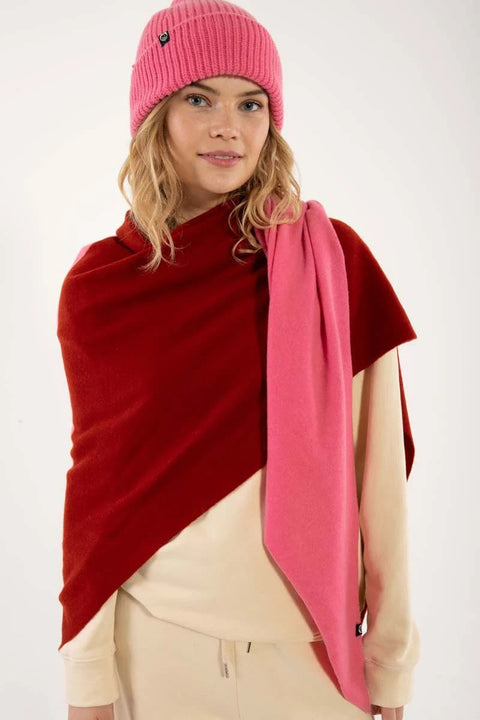
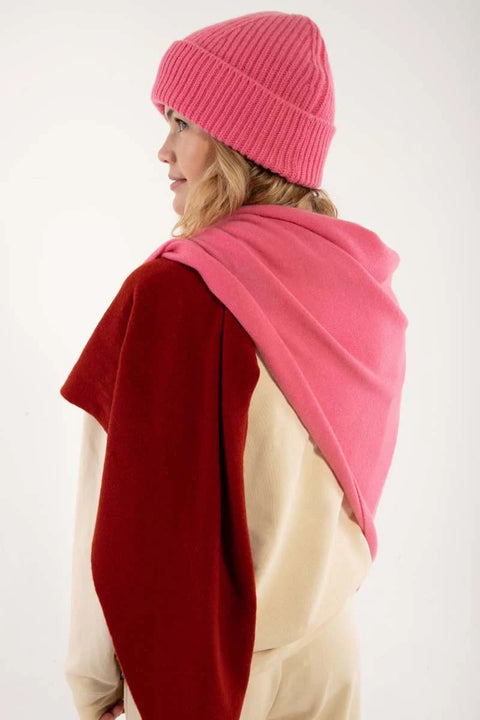
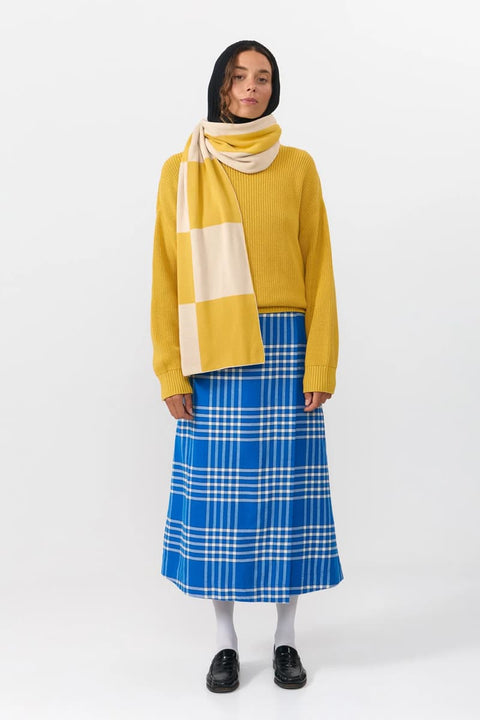
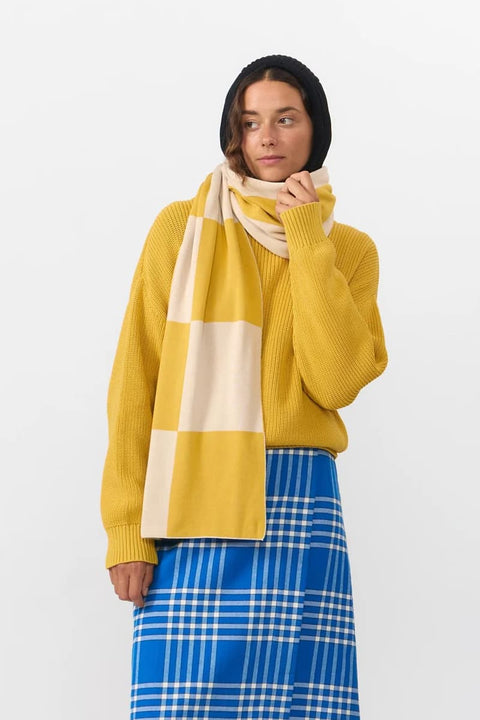
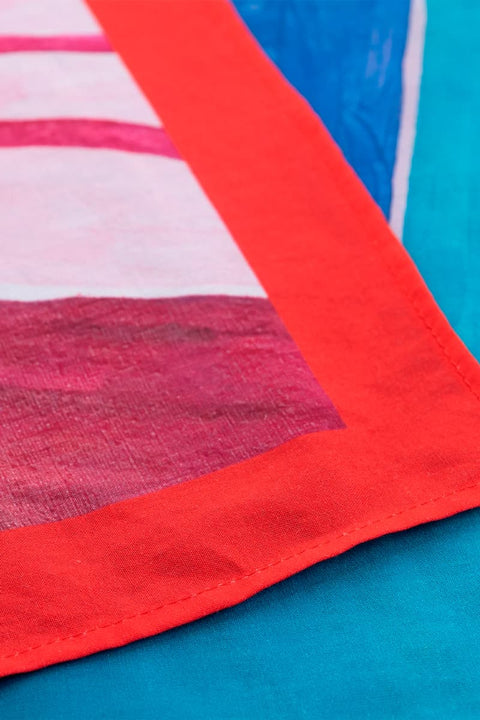
Currently available: the Danefireplace Wool Shawl in Spicy Pink/Dk Rust – a large triangular scarf made of 100% mulesing-free merino wool that can be worn as a stole or scarf. The Danechic Merino scarves by Danefae are the slimmer triangular version, available in several colors.

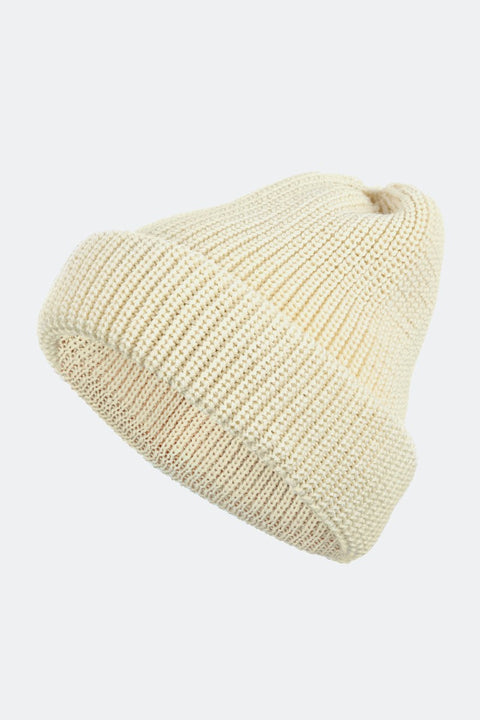
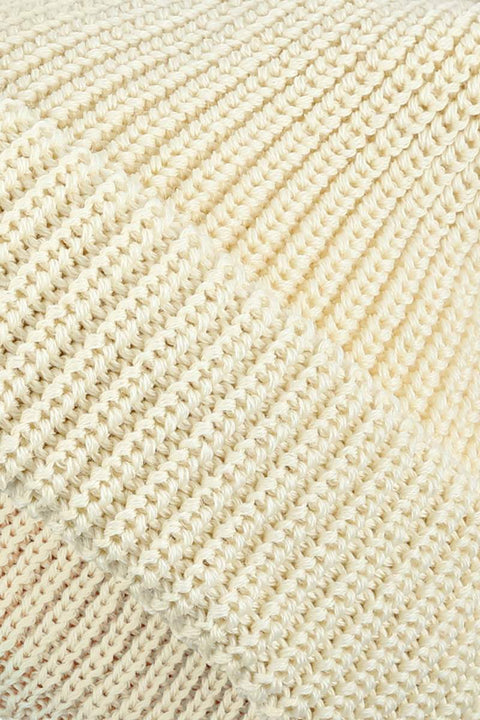
modAS produces hats from pure merino wool in Germany. The off-white version is currently in stock. No blended fabric, no synthetic content – the hat that delivers what the material promises.
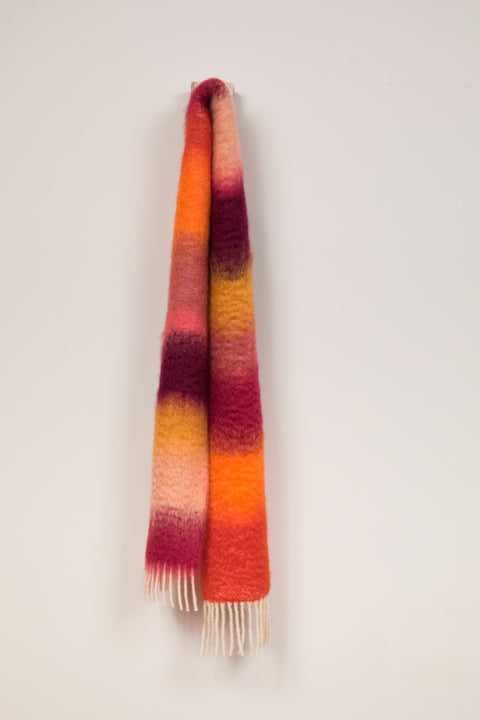
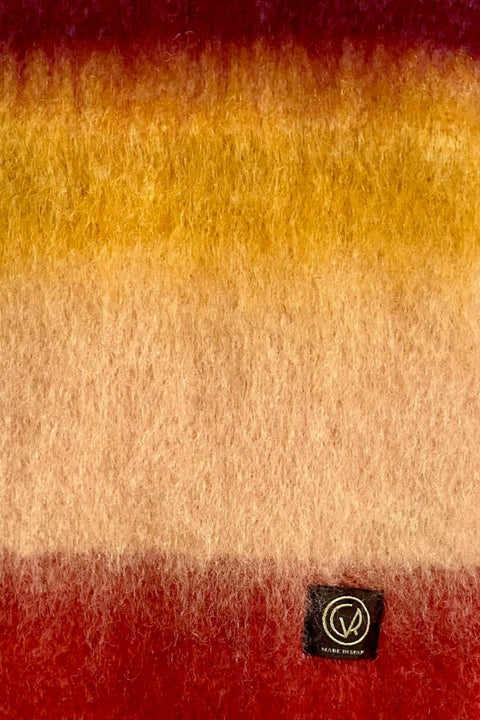
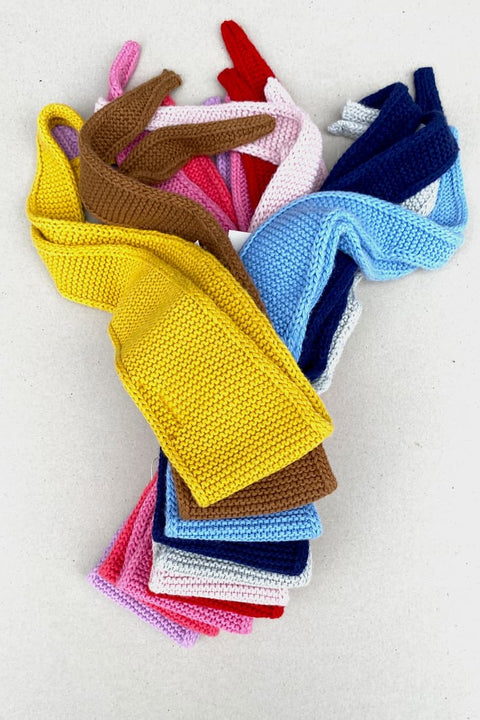
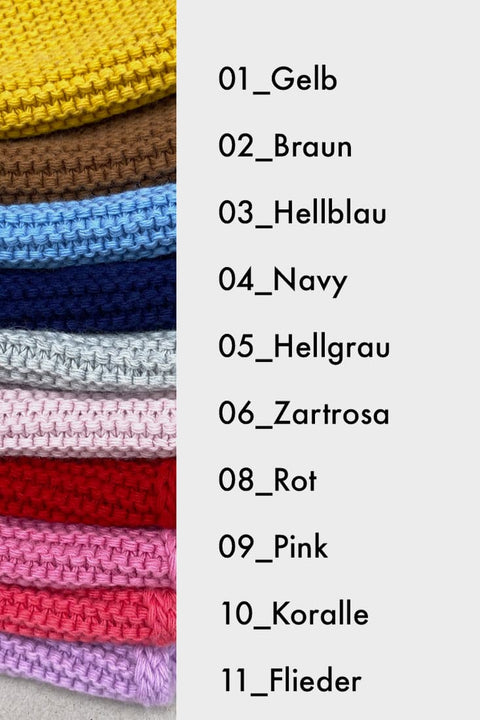
For those looking for a blend: The small scarf from Calie Paris combines merino with cashmere and viscose for a lighter scarf that can be worn all year round. Several of the ten colors are available.
Alpaca vs. Merino – the direct comparison
Warmth: Alpaca is ahead at the same weight. The hollow fibers trap more air than merino wool.
Allergen-free: Alpaca is the safer choice for wool allergies or lanolin intolerance. Merino wool is finer than normal sheep's wool, but it contains lanolin.
Moisture management: Merino wins. For active outdoor use or fluctuating temperatures, merino wool has the advantage.
Elasticity: Merino has more resilience and retains its shape better. Alpaca without good processing is more prone to deformation.
Care: Both require gentle treatment – 30 °C delicate cycle or hand wash, dry flat, no spinning. Alpaca is more sensitive to rubbing, merino wool is more robust.
A hybrid of both: The Iroise Cable Sweater by Les Racines du Ciel combines mohair and merino wool in a cable knit pattern. Volume from the mohair, stability from the merino. Currently in stock in blue and pink.
Which material suits whom?
Alpaca is the choice for anyone who has previously struggled with wool. No lanolin reaction, no scratching, lighter comfort than sheep's wool. Baby alpaca pieces from Les Racines du Ciel show how the material feels when well-processed – they return to the collection every year with autumn.
Merino suits anyone looking for a piece that works at fluctuating temperatures. A merino scarf from Danefae or a merino hat from modAS doesn't stop working when you come from outdoors into warmth. The moisture management is the advantage that is noticeable daily in everyday life.
Those who want to get to know both materials can start with a merino accessory – a scarf or a hat. The entry point into baby alpaca are the pieces from Les Racines du Ciel when the autumn collection arrives.
The complete range of wool pieces: Women's fashion made of wool. Scarves, hats and gloves: Hats, scarves & gloves.
FAQ – Alpaca and Merino wool
What is the difference between alpaca and merino wool?
Alpaca wool comes from alpacas in South America and does not contain lanolin – the wool grease that is often the trigger for wool allergies. Merino wool comes from Merino sheep breeds and is finer than normal sheep's wool. Alpaca is warmer at the same weight, merino regulates moisture better and is more elastic.
Does alpaca wool scratch the skin?
No. Alpaca wool, especially baby alpaca, is considered one of the softest natural fibers available. Since it does not contain lanolin, it is also well tolerated by sensitive skin.
Does merino wool scratch?
For most people, no – the fibers are significantly finer than normal sheep's wool. However, in the case of a true lanolin allergy, merino wool can also cause reactions. In this case, alpaca wool is the better alternative.
What does Baby Alpaca mean?
Baby alpaca refers to the first fleece shorn from an alpaca – the finest and softest fiber the animal produces. Qualitatively superior to normal alpaca, and priced accordingly. Les Racines du Ciel exclusively uses baby alpaca.
What does RWS mean for merino wool?
RWS stands for Responsible Wool Standard. This certificate confirms mulesing-free sheep husbandry and environmentally responsible pasture management. Danefae states RWS certification for its merino products – verifiable in the product description.
How do you care for alpaca and merino items?
Both fibers require a delicate wash cycle at 30 °C or hand washing. Do not spin, dry flat. Alpaca is more sensitive to mechanical rubbing than merino. Generally, both fibers are naturally odor-neutral – airing them out is often enough, and a wash cycle is less frequently needed than with synthetic fibers.
What do alpaca and merino items cost at HIT-IN.TV?
Merino accessories start at the lower end: hats from modAS from €29, merino scarves from Danefae from €29. Baby alpaca items are higher priced – sleeveless sweaters from Les Racines du Ciel from €120, cardigans from €160. The price difference reflects the higher effort in fiber extraction and processing.