Origins, characteristics and differences
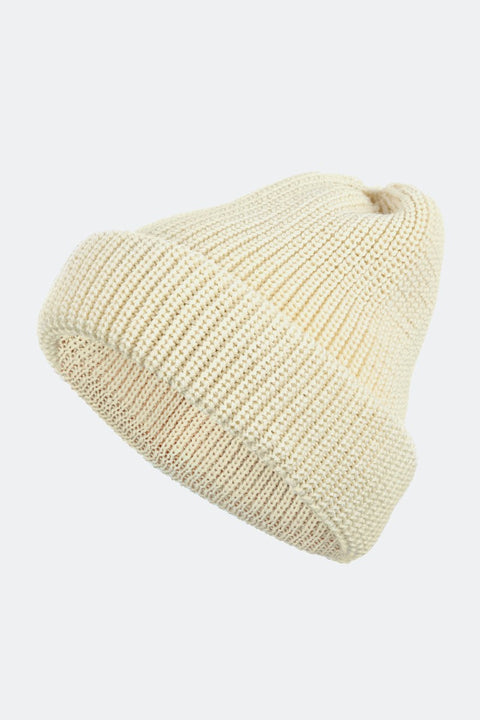
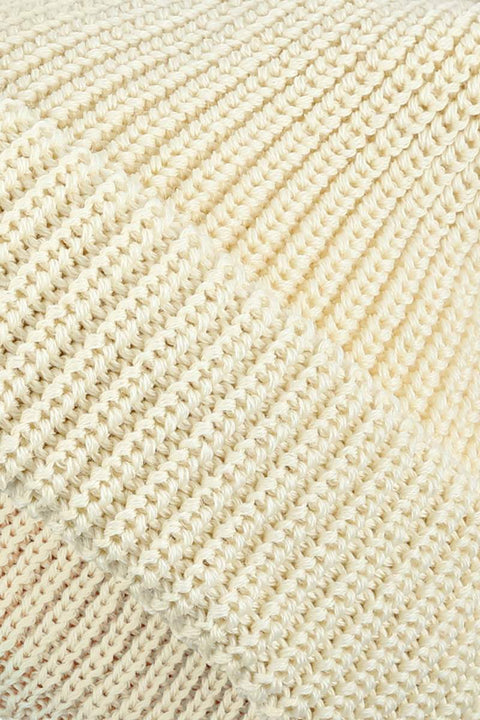
The world of wool types is as diverse as it is fascinating. From luxurious alpaca wool to robust virgin wool, there is the right wool for every need and taste. In this article, we take a closer look at the origins, characteristics and differences of the most well-known types of wool: alpaca wool, merino wool, mohair, virgin wool and recycled wool. We will also clarify which types of wool exist, which are considered high quality, which is the warmest and which keeps you warmest in winter.
What types of wool are there?
Before we look at the specific types of wool, it is important to understand that there are many different kinds of wool obtained from different animals and regions around the world. Wool is essentially the hair of sheep, goats, alpacas and rabbits. Each of these animals produces a different type of wool with unique properties.

Virgin wool: This wool comes from sheep and is the most commonly used type of wool. It is known for its durability and versatility and is available in different quality levels depending on the origin of the sheep and how they are cared for.
Alpaca wool: Originally native to the Andes of South America, alpaca wool has been obtained from alpacas for centuries.
Merino wool: Originating from Merino sheep in Australia, merino wool is known for its incredible softness and fineness.
Mohair: Obtained from the hair of Angora goats.
Recycled wool: An environmentally friendly material made from reused wool textiles.
Origins, characteristics and differences
Alpaca wool
Alpaca wool comes from alpacas, originally native to the Andes of South America. These animals have been bred for their wool for centuries.
Alpaca wool is exceptionally soft and delicate, lightweight yet very warm. These properties make it an ideal choice for winter clothing. The hypoallergenic fibres do not irritate the skin.
Compared to other types of wool, alpaca wool is more expensive, but its unique properties justify the price. It is softer than virgin wool and does not itch. Thanks to its insulating qualities, alpaca wool is the perfect choice for cold days outdoors.

Merino wool
Merino wool comes from Merino sheep, which are mainly bred in Australia. These sheep are known for their fine wool and high quality.
Merino wool is incredibly soft and delicate. It is also highly breathable, making it suitable for all seasons. The fine fibres ensure it does not itch and is suitable for sensitive skin.
Compared to alpaca wool, merino wool is less insulating, but its versatility makes it a popular choice for many types of clothing, from underwear to outdoor wear.
Mohair
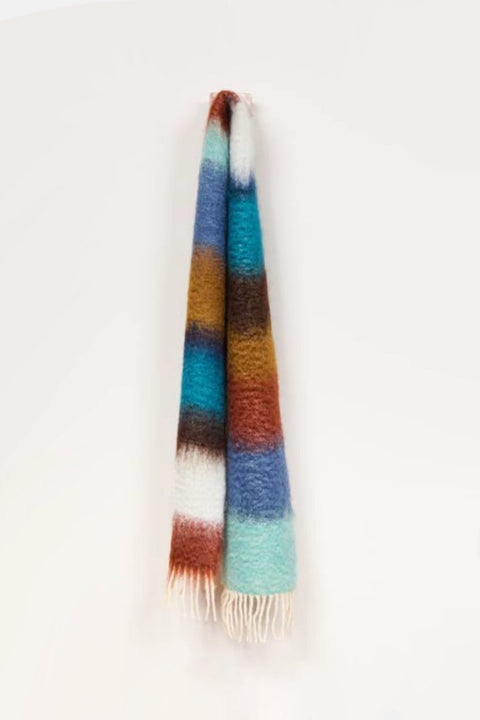
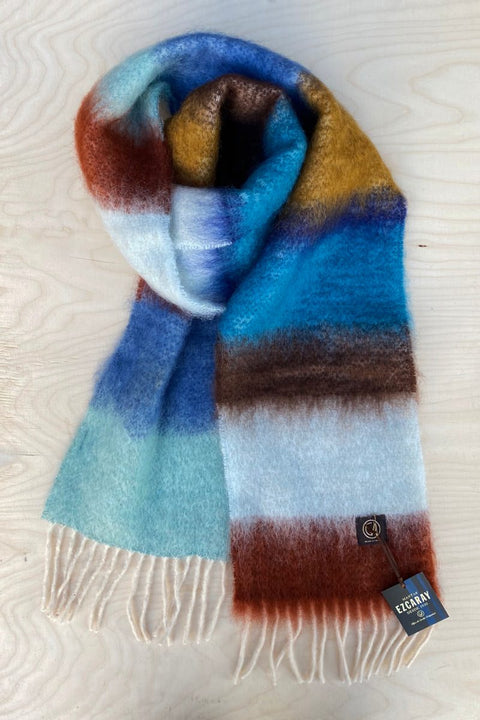
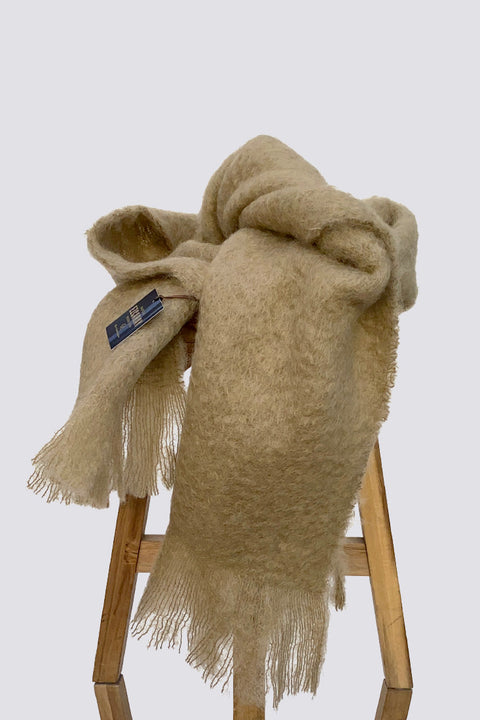
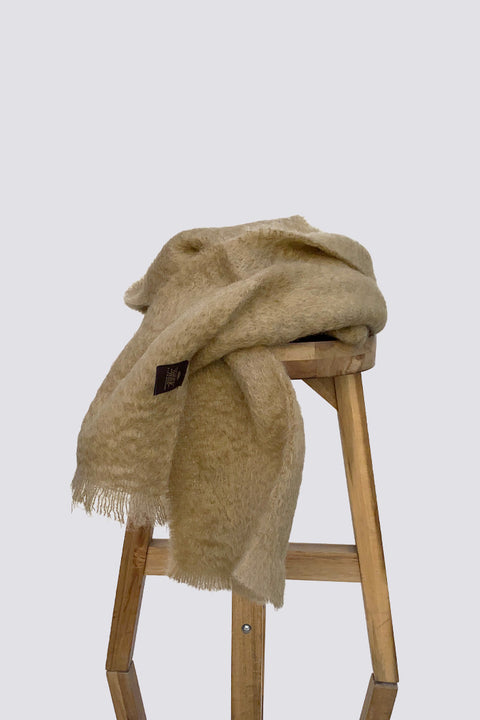
Mohair is obtained from the hair of Angora goats, originally from Turkey. Today, however, they are bred worldwide.
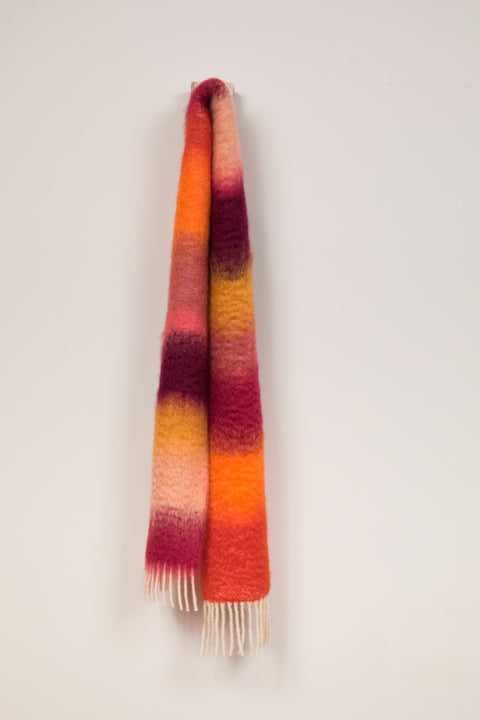
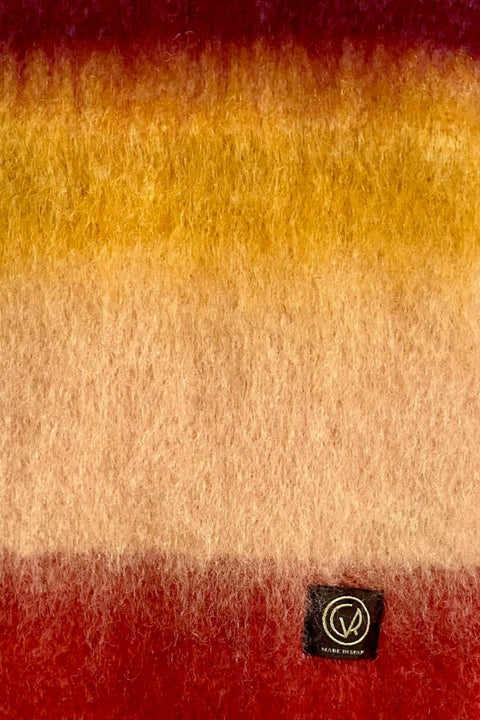
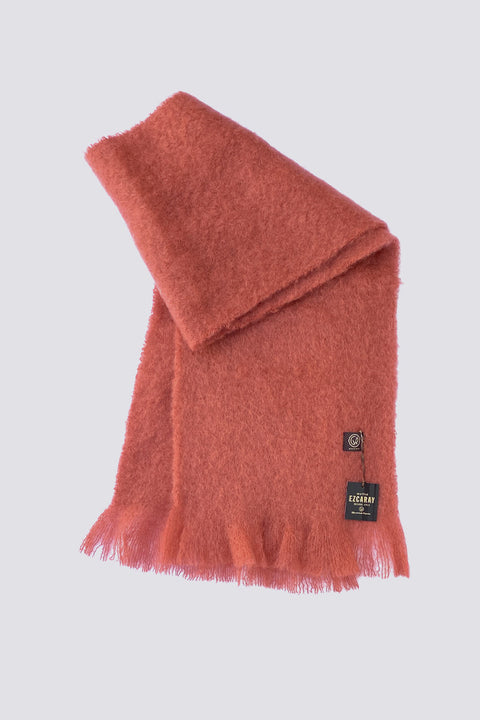
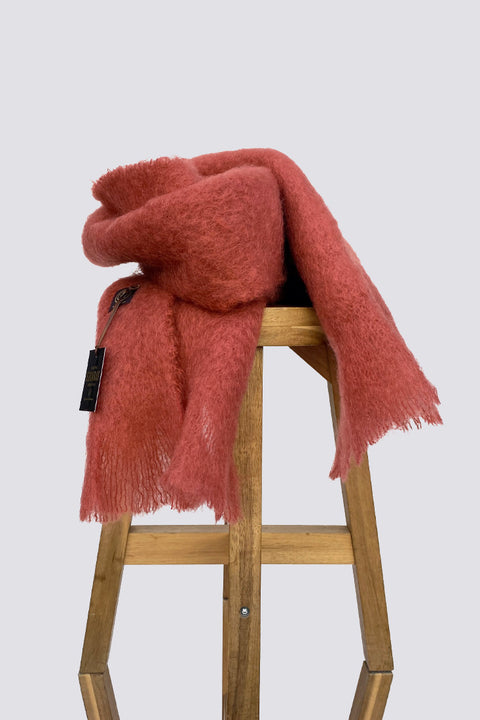
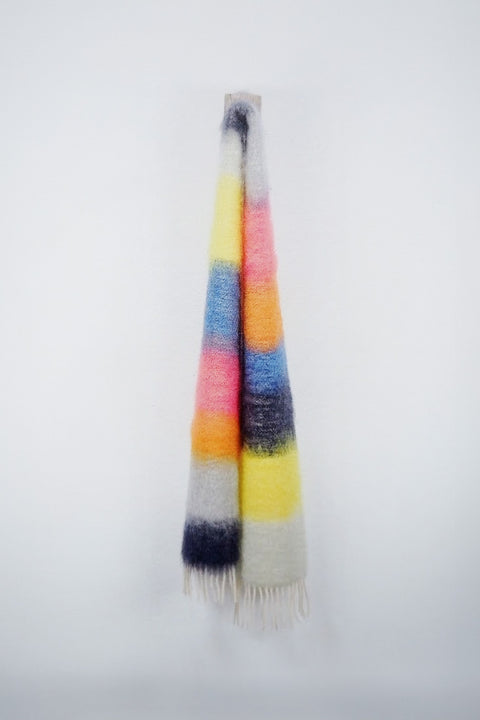
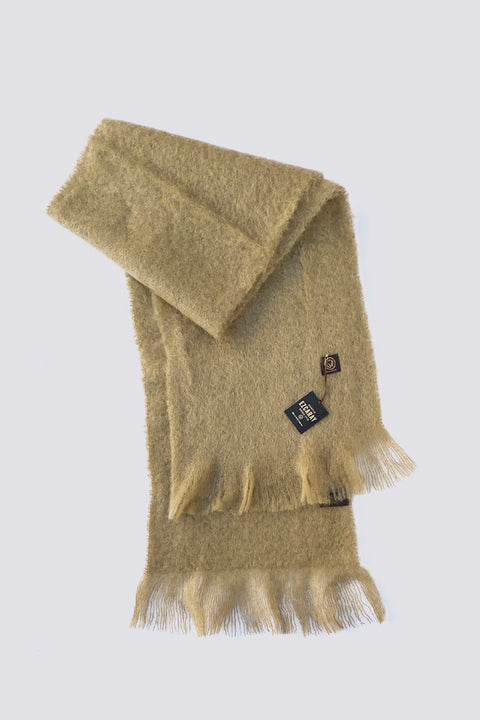
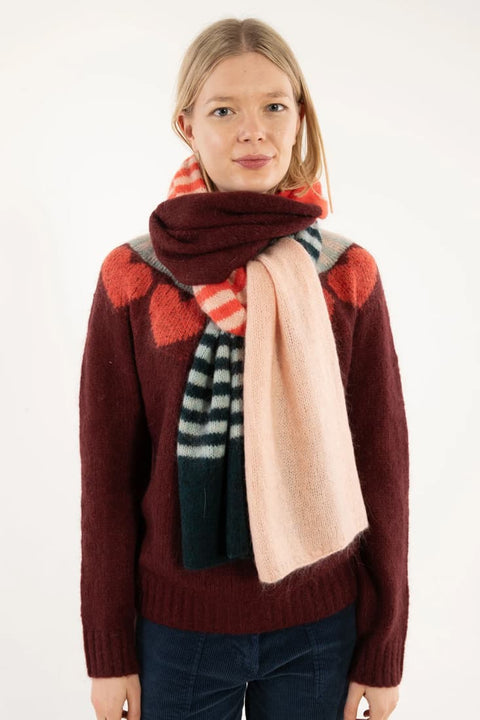
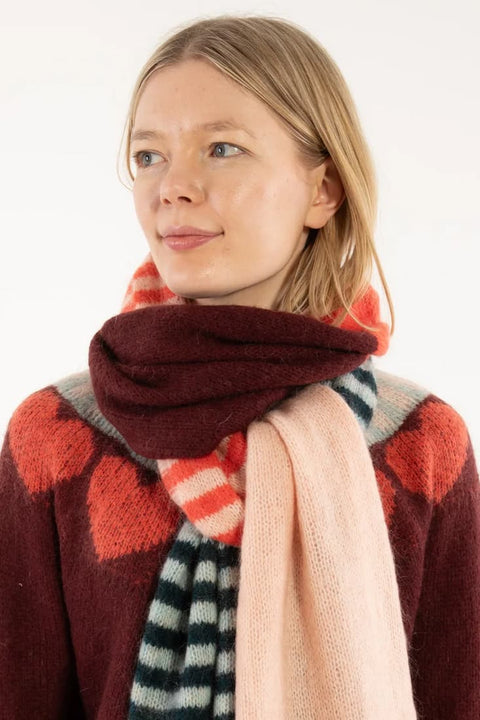
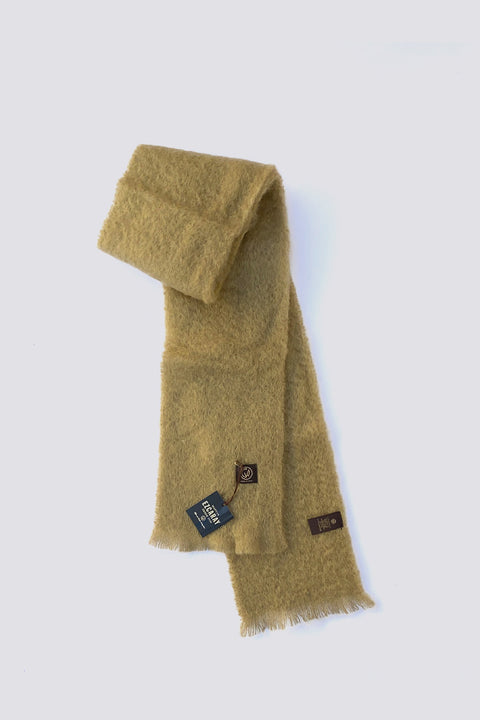
Mohair is known for its shiny, silky lustre and fluffy lightness. The fibres are extremely strong and durable. Mohair also has good insulating properties and is naturally flame-resistant.
Compared to the previously mentioned types of wool, mohair is less soft, but can still be worn directly on the skin. Due to its durability and smoothness, it is often used for knitwear and blankets.
Virgin wool
Virgin wool comes from sheep bred all over the world. There are many different sheep breeds that produce virgin wool.
Virgin wool is known for its durability and versatility. It is easy to care for and retains its shape well. Virgin wool has good insulating properties and keeps you warm.
Compared to other types of wool, virgin wool is less soft but can still be worn directly on the skin. It is the most widely used type of wool and is used in a wide variety of garments and textiles.
Recycled wool
Recycled wool is made from reused wool textiles. These fabrics are collected, shredded and processed into new wool products.
Recycled wool is an environmentally friendly option. It has similar properties to virgin wool but is more sustainable, as it helps reduce textile waste. Recycled wool is durable, insulating and keeps you warm.
Compared to other types of wool, recycled wool can vary slightly, as it comes from different sources. However, its ecological benefits and the fact that it is a sustainable choice make it attractive to environmentally conscious consumers.
Which wool is high quality?
The question of the highest-quality wool depends on individual needs and preferences. However, alpaca wool and merino wool are often considered particularly high quality due to their unique properties.
Alpaca wool stands out for its exceptional softness and insulating properties. It is often used for luxury products and winter clothing. Due to its origin and the labour-intensive production process, it is usually more expensive. Falagan and Thinking Mu rely on virgin wool to create high-quality products that combine warmth and style.

Merino wool is also high quality and known for its softness and fineness. It is well suited for sensitive skin and is highly versatile. ARMEDANGELS relies on merino wool to create sustainable and high-quality fashion.
Which wool is the warmest?
When it comes to choosing the warmest type of wool, alpaca wool is the clear winner. Its fibres are hollow, allowing for excellent insulation. Alpaca wool keeps you warm during the coldest winter nights without being heavy or bulky. It is perfect for cosy winter jumpers and scarves. Racines du Ciel uses the insulating power of alpaca wool to create environmentally friendly and cosy garments.
Merino wool also offers good insulation but is lighter and less bulky than alpaca wool. The choice between the two therefore depends on your personal warmth requirements. Danefae uses merino wool in its collections to offer functional and stylish winter clothing.
Which wool keeps you warm in winter?
On cold winter nights, it is crucial to wear warm clothing to protect yourself from the cold. Alpaca wool and merino wool are both excellent options for staying warm in winter.
Alpaca wool, thanks to its outstanding insulating properties, is ideal if you are in an extremely cold climate. It retains body heat and keeps you comfortably warm. ARMEDANGELS also integrates alpaca wool into its collections to offer environmentally friendly and warm garments.
Merino wool is a good choice for everyday winter wear. It provides warmth without being heavy or bulky and is ideal for jumpers, hats and gloves. Danefae relies on merino wool to produce stylish and functional winter clothing.