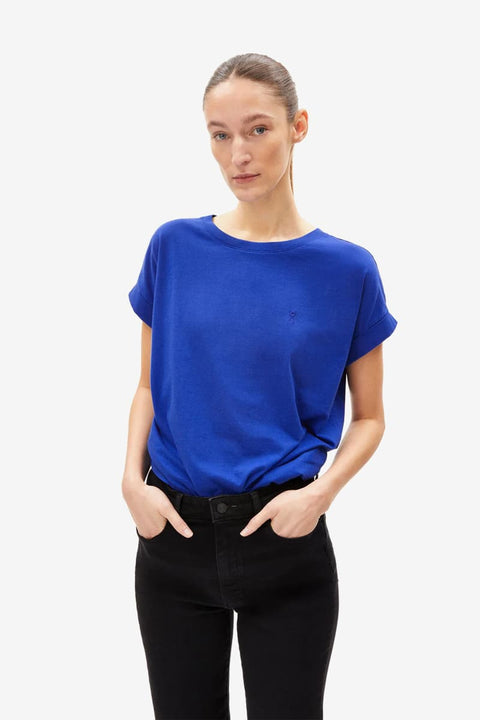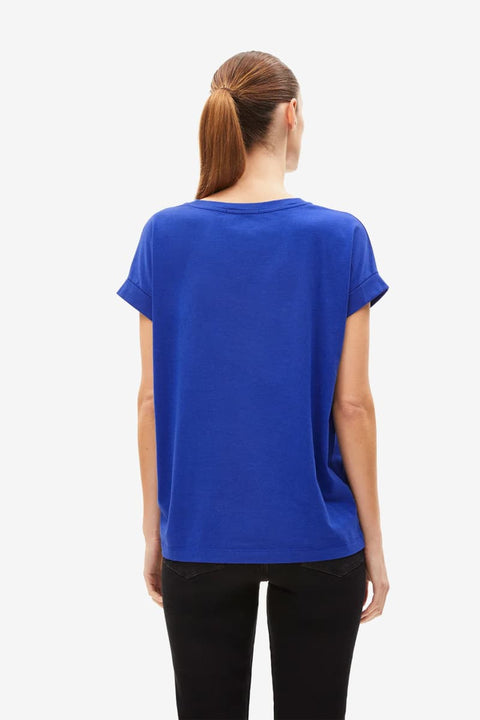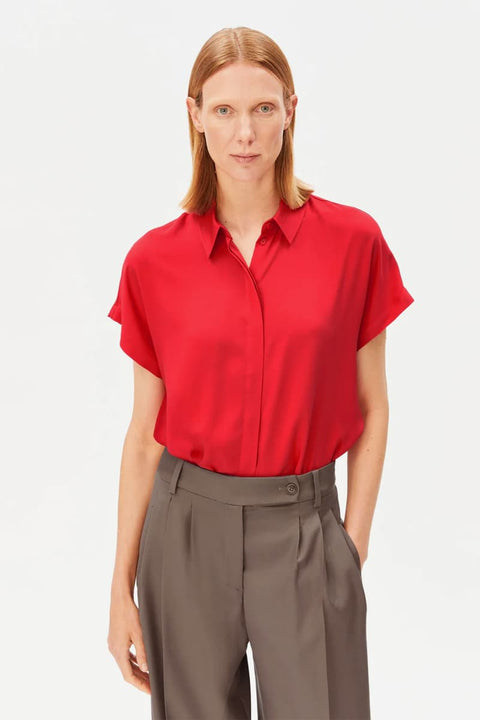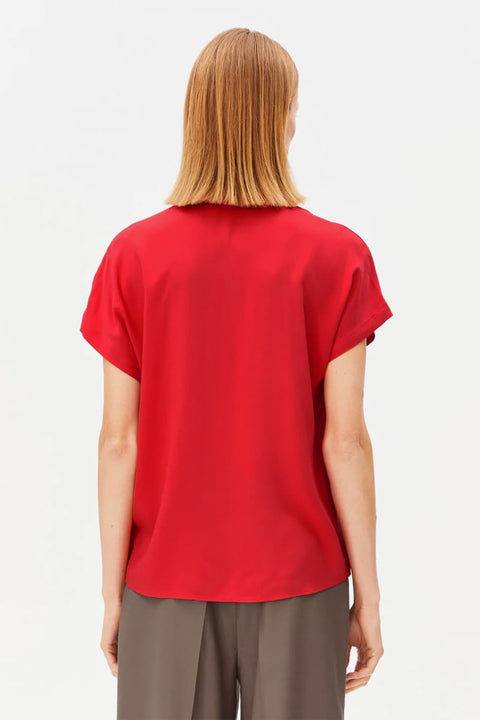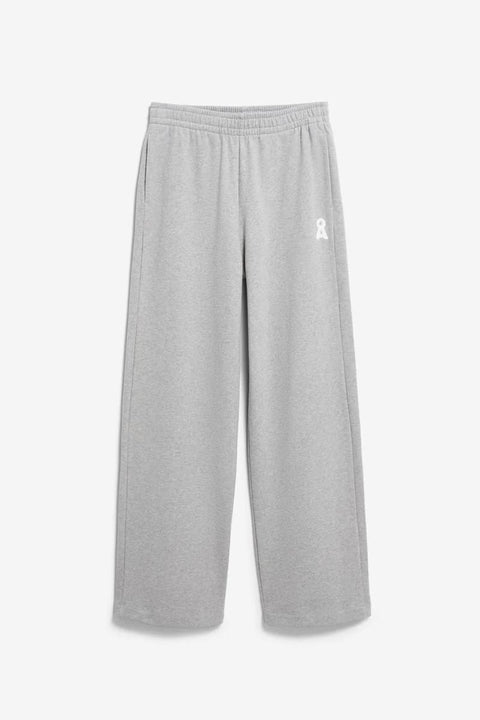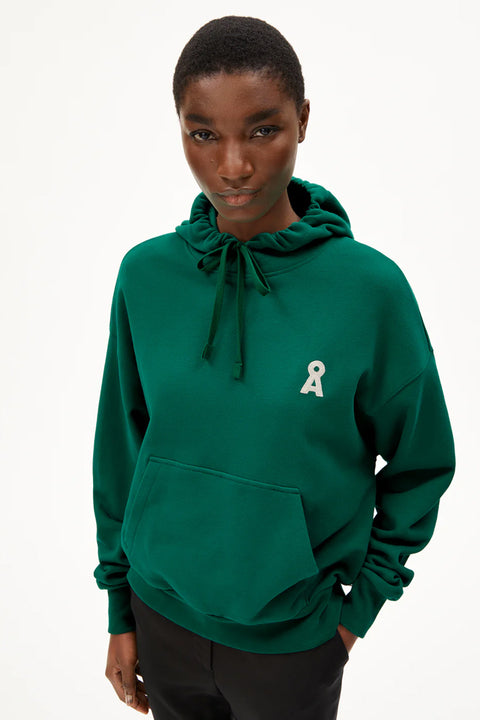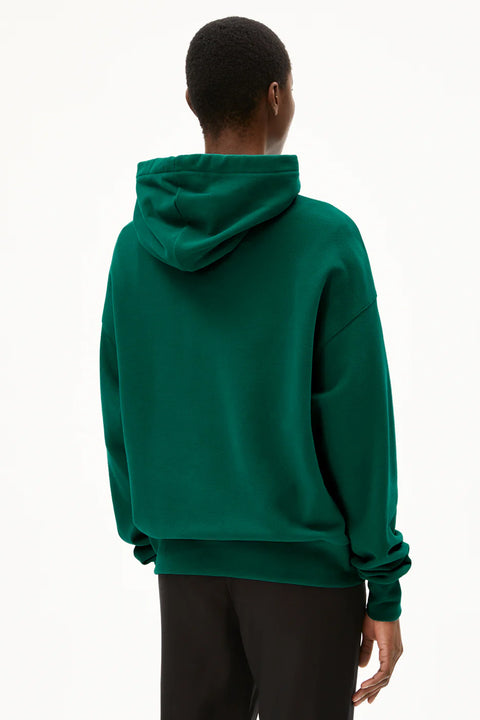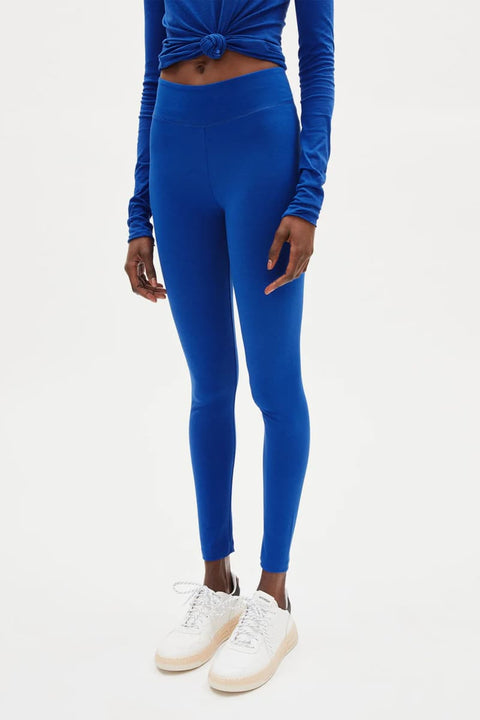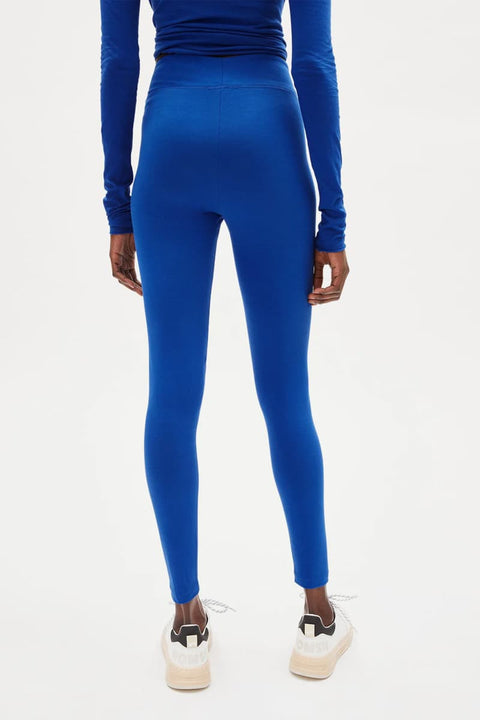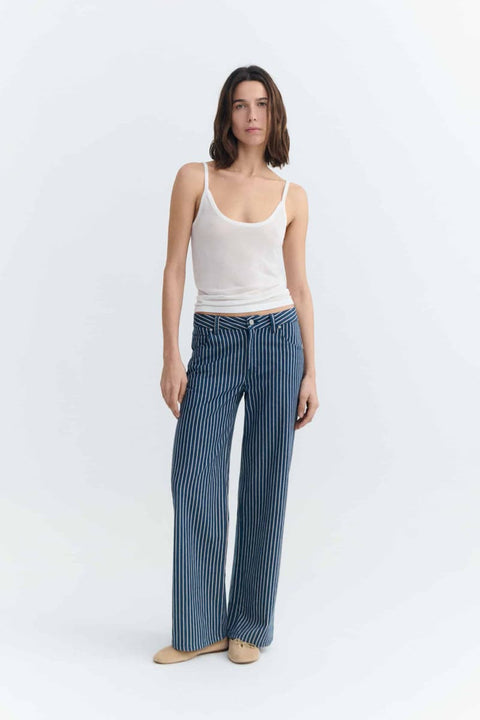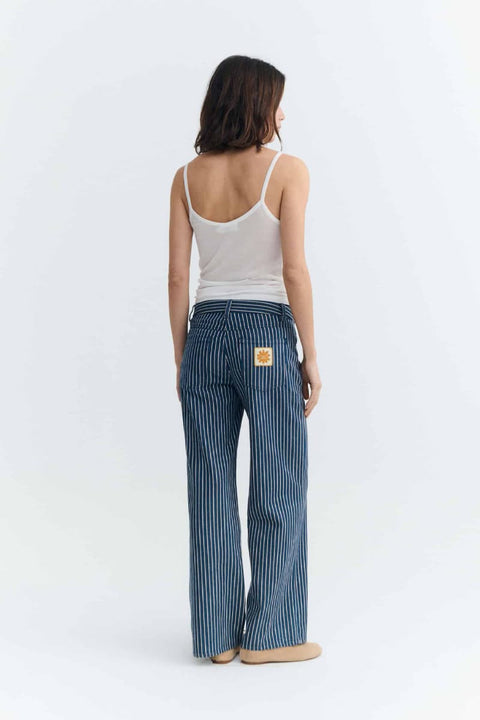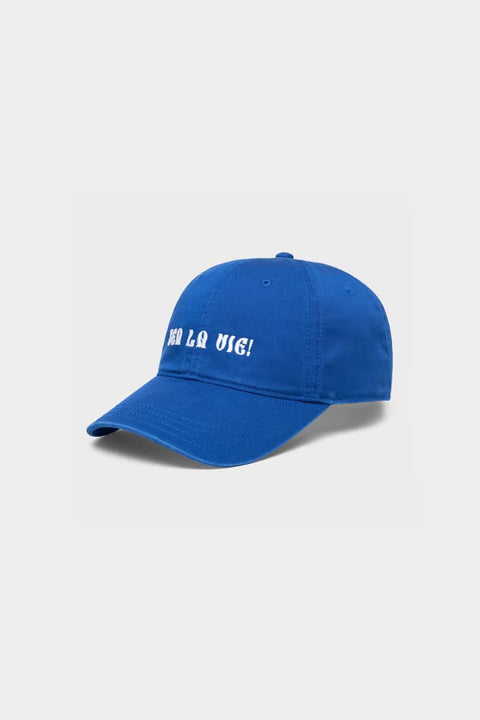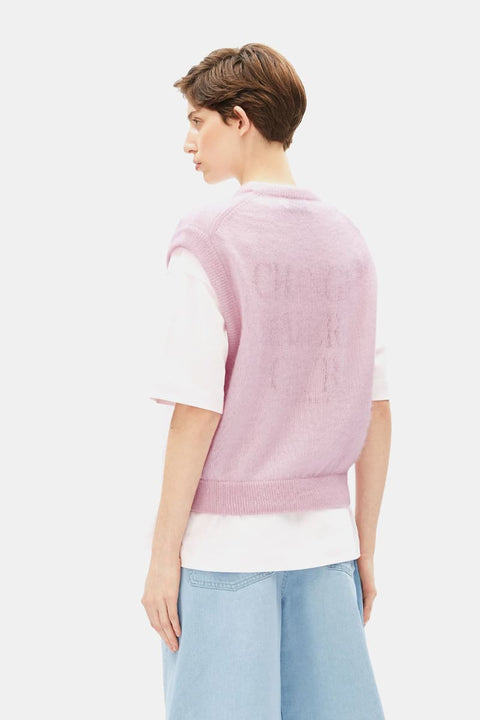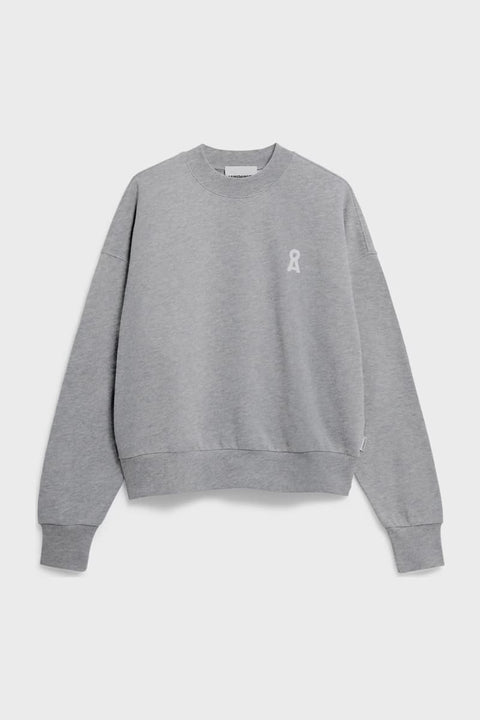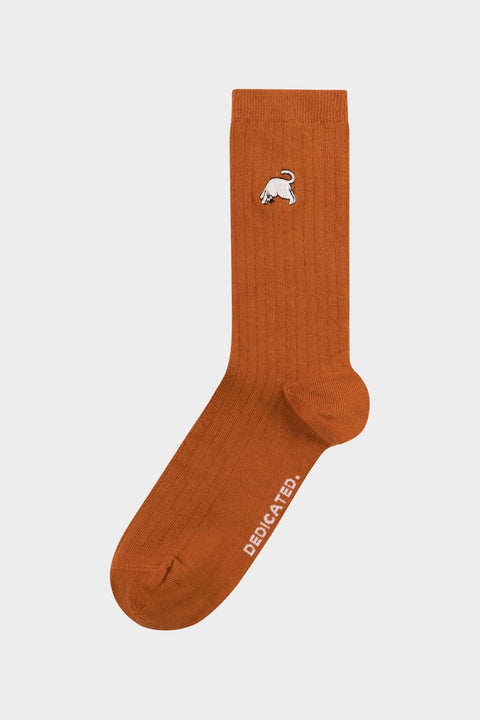
Sustainable and fair fashion is today more than just a trend; it’s a necessity. In a world that is increasingly aware of the environmental impact associated with clothing production, consumers are looking for alternatives that are both stylish and eco-friendly. A key aspect of this movement is the materials our clothes are made from. These materials play a crucial role in how environmentally friendly and sustainable a garment really is.

The most important sustainable fabrics and materials for fashion
The selection of eco-friendly materials used to make clothing is constantly growing. Here are some of the most important and innovative materials that are becoming increasingly popular in the sustainable fashion industry:
Organic wool
Organic wool comes from sheep that graze on organic pastures where no harmful chemicals are used. This results in an eco-friendly wool that is free from pesticides and herbicides and places less strain on the environment.
Recycled polyester
Polyester is known for its environmental impact due to its long decomposition time. Recycled polyester, however, uses existing plastics—such as plastic bottles—and turns them into high-quality fibres for clothing production.
Organic cotton
Unlike conventional cotton, organic cotton is grown without the use of toxic chemicals. It not only reduces environmental pollution, but also supports a healthier working environment for those who grow and harvest it.
ECONYL®
ECONYL® is an innovative fibre made from recycled nylon sourced from things like old fishing nets and carpet offcuts. By reusing these materials, environmental impact is reduced and resources are conserved.
Organic linen
Linen is a natural, biodegradable fibre made from flax. Organic linen is grown without pesticides or chemical fertilisers, making it an eco-friendly option for clothing.
SeaCell
SeaCell is an innovative fibre made from algae and eucalyptus. Besides being produced in an environmentally friendly way, SeaCell is also known for its skin-friendly benefits because it contains minerals that are good for the skin.
Lyocell
Lyocell, also known as Tencel, is a cellulose fibre made from wood. It is produced in a closed-loop process that minimises chemical use and saves water—making it an extremely eco-friendly option.
Hemp fibre
Hemp is one of the oldest and most sustainable plants in the world and requires little water, pesticides or herbicides to grow. Hemp fibres are robust and durable, making them excellent for producing sustainable clothing.

What is a sustainable fabric?
A sustainable fabric is a material produced with consideration for the environment, social impact, and long-term sustainability. This means resources are conserved, environmental burdens are minimised, and fair working conditions are ensured during production.
How can textiles be sustainable?
Textiles can be sustainable when they are made from eco-friendly materials that conserve resources and are biodegradable. In addition, it’s important that production processes are ethical and transparent and that working conditions are fair.
Which material is the most sustainable?
There is no single material that can be considered “the most sustainable”, as this depends on various factors, including the type of clothing, how it’s used, and manufacturing practices. However, materials made from renewable resources and with a smaller environmental footprint are generally considered more sustainable.

This article isn’t meant to convince anyone. We know the philosophy of sustainability isn’t always applicable, but it’s definitely important to be aware of the consequences and environmental impacts of the indiscriminate use of non-sustainable materials. In our “Sustainable and fair fashion” category, you’ll find a variety of items made with the materials introduced in this article. By making conscious choices and opting for eco-friendly options, we can together have a positive impact on our environment.